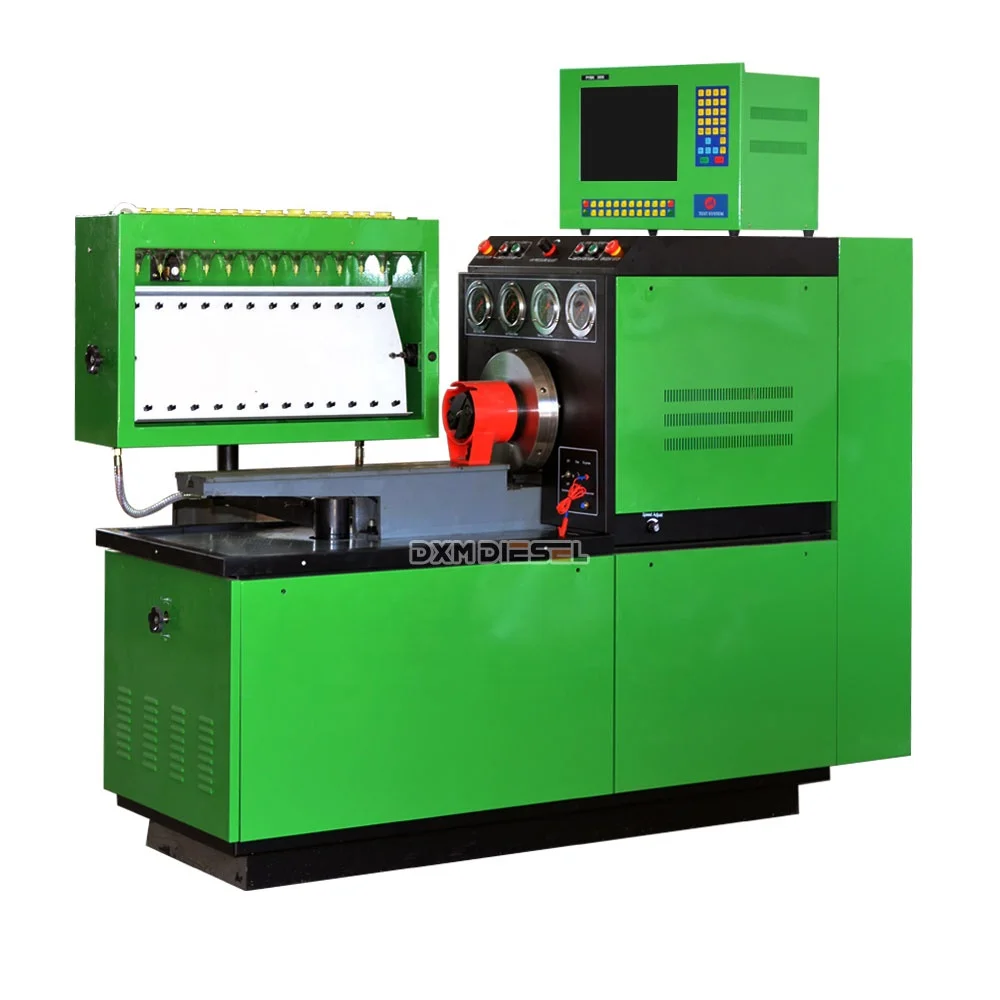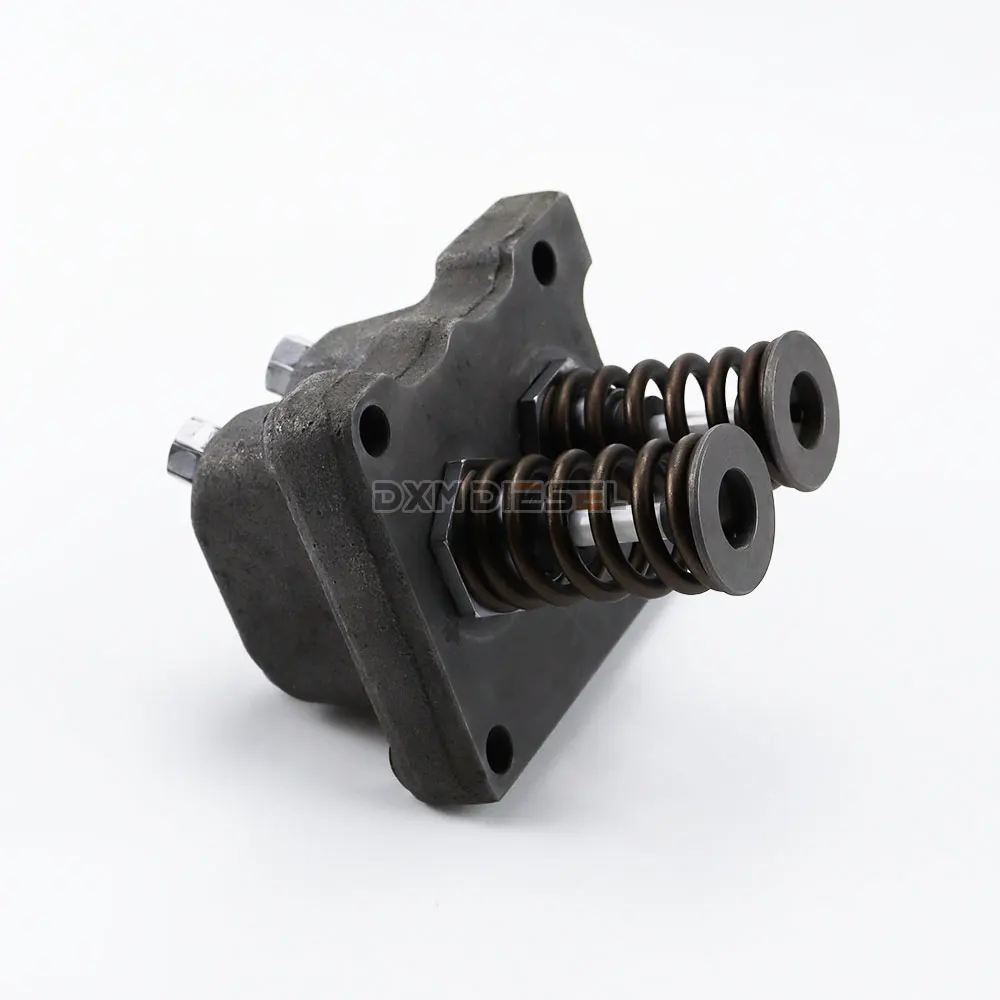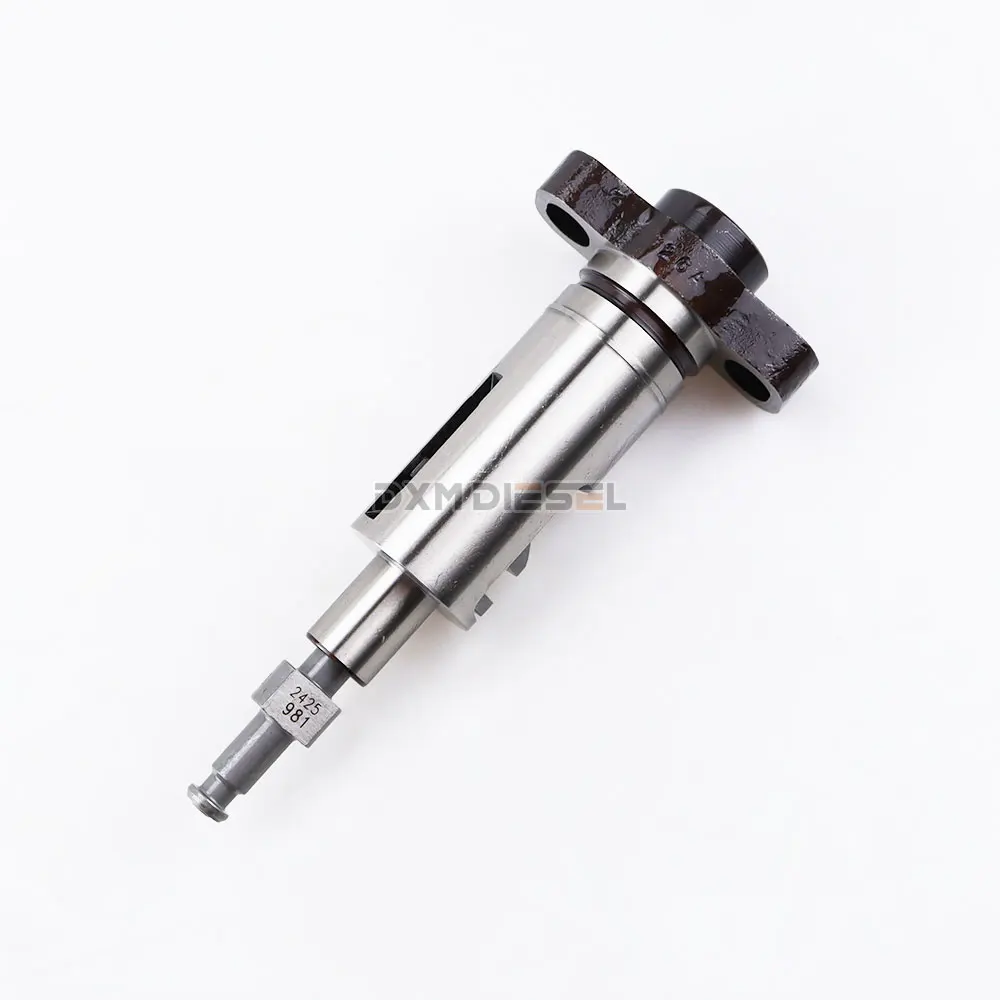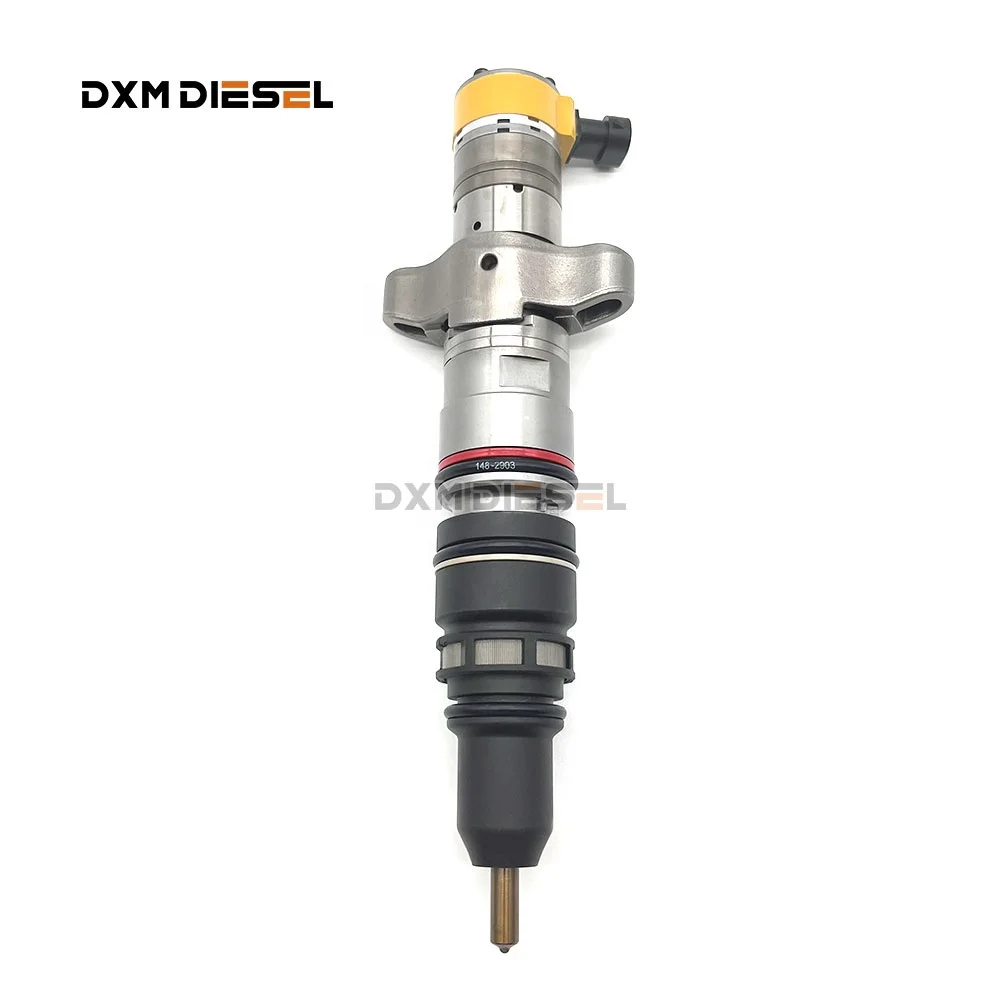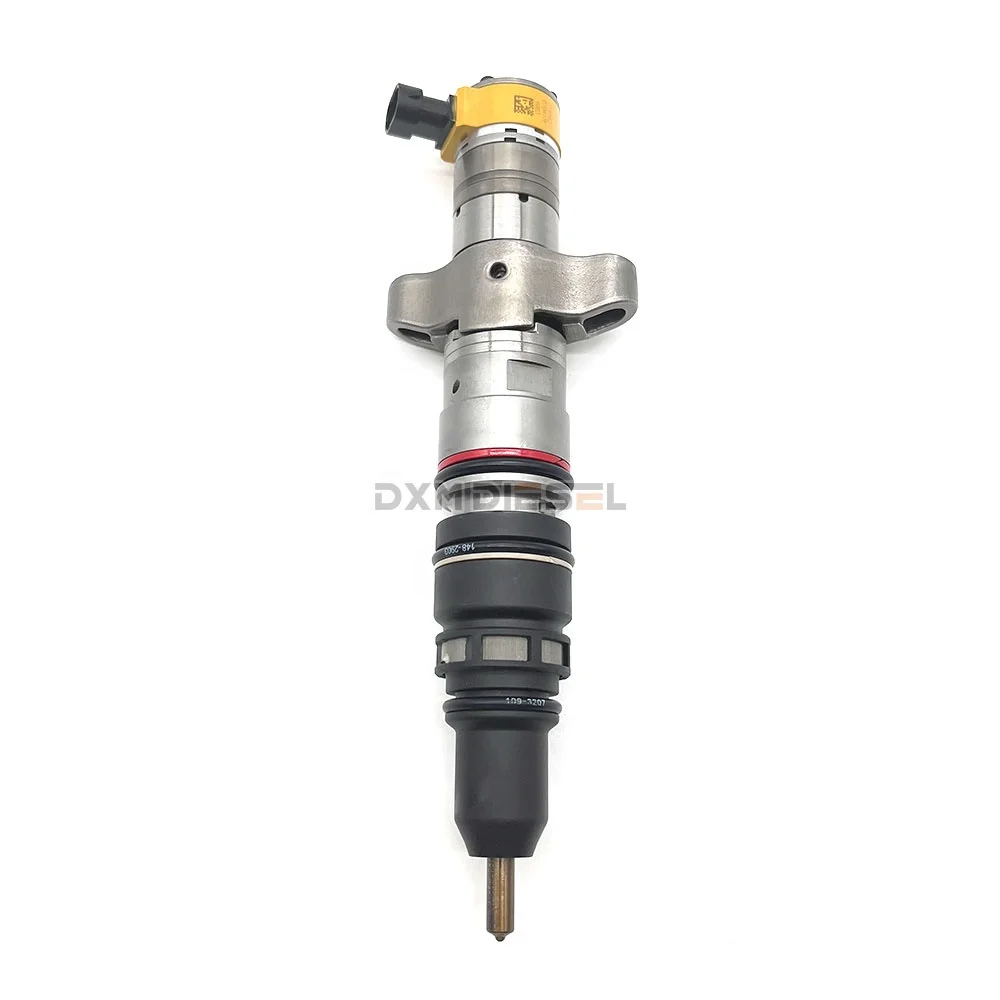


Testing of diesel pump is very essential for ensuring smooth flow and functionality of diesel engines. If you need a pump and it is not working well, there will be (an) issue with starting the engine or it will run very badly. The importance of checking the diesel pump can not be overstated. This guide will teach you diesel injector; learn why it is needful, fixing common problems that can plague diesel pumps, new technology helping to create the testing process, and how the testing process can make your maintenance routine easier.
Read too: Top 10 Vehicle tips for Car Maintenance in UAE To prevent leaks You need to make sure the diesel pump is working. It is the job of the diesel pump to ensure that the engine receives the appropriate amount of fuel for the proper functioning of the engine. It will depending on the pump, if it is broken / not working properly the engine will not work properly. That can cause problems when the engine has less power, burns fuel more than it should and even comes to a standstill. Regular diesel motor is very essential to prevent these types of problems. Testing the pump allows you to identify any issues before they become problematic, maximizing engine efficiency.
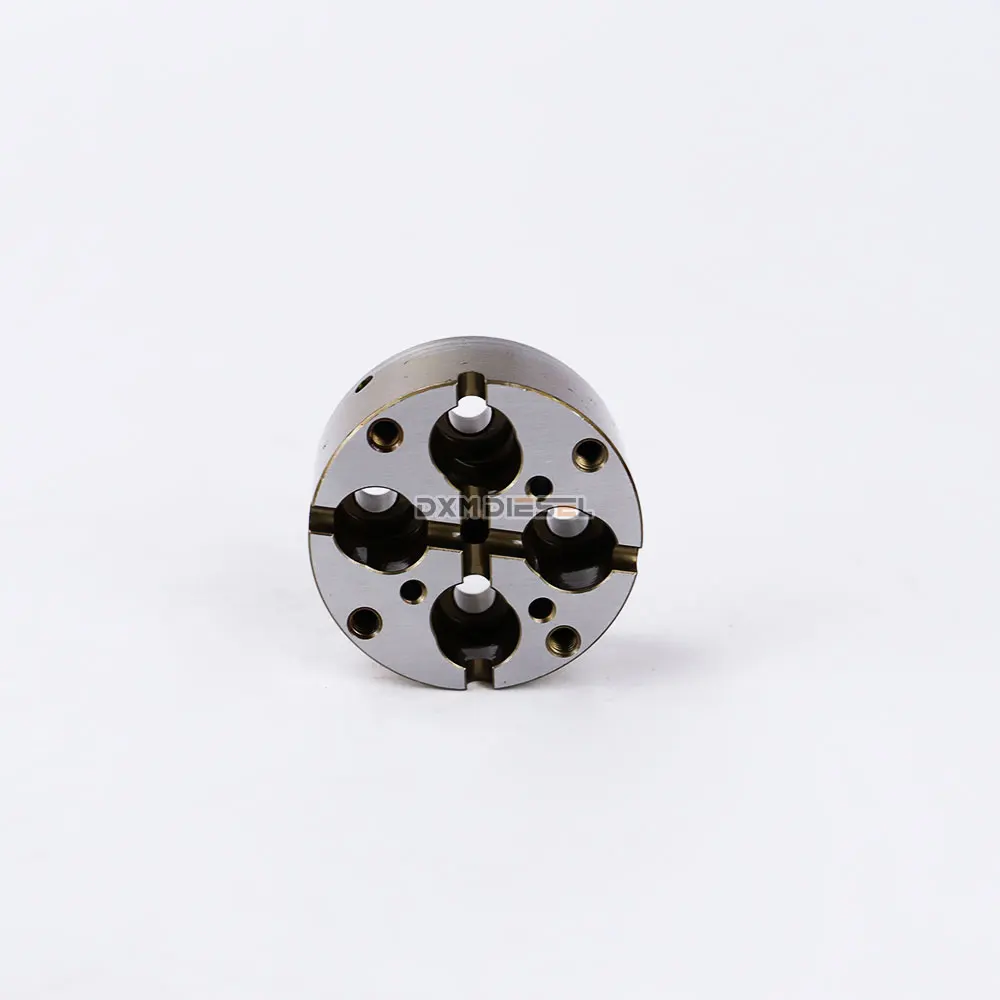
Clogging — This is one of the most common problems that occur with diesel pumps. When these filters and injectors are jammed up, fuel can’t get into the engine, which can in turn hinder the engine’s ability to start. This can cause problems with power and performance. The other issue that can arise is air leaks. Suction leads, in deciding position rises, which would suck the essential fuel into the diesel pump. It can have a significant impact on engine performance. Regular diesel pump testing can help to resolve these issues. It is important for the pump to be giving the correct amount of fuel and this testing ensures it is working correctly.
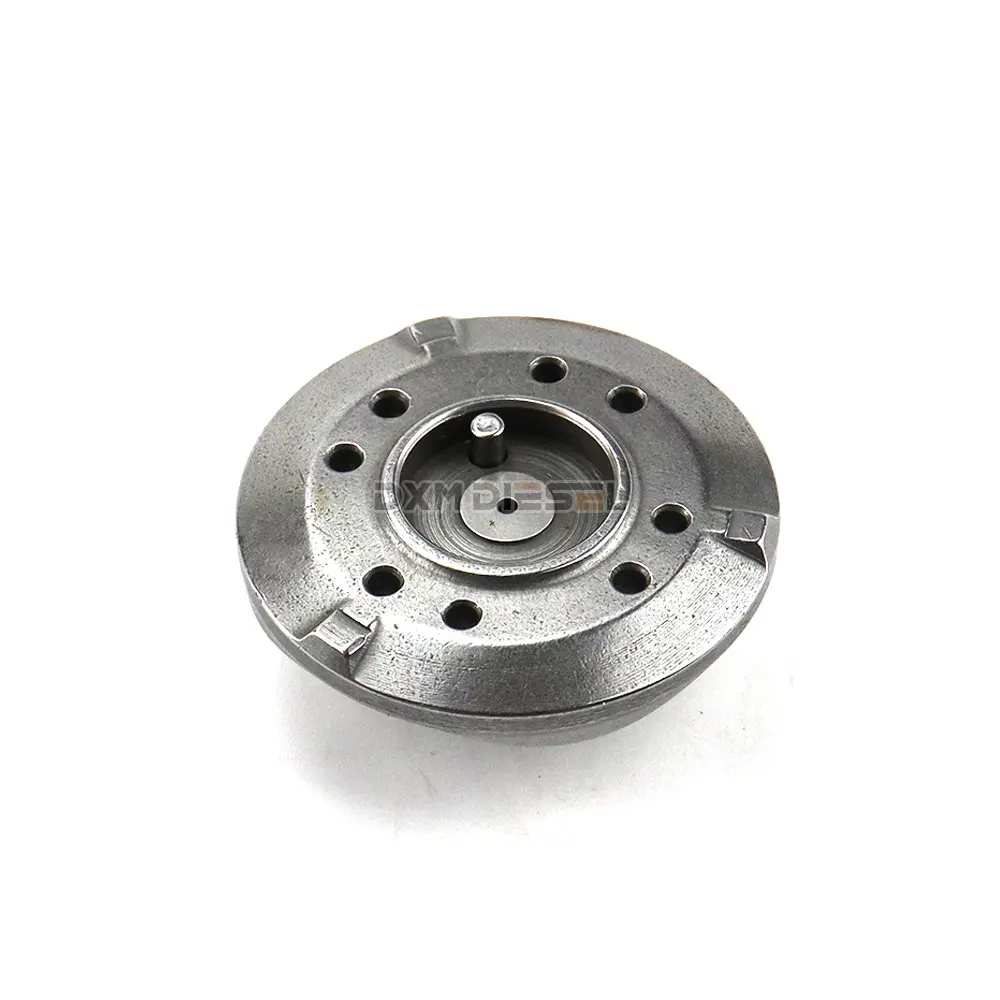
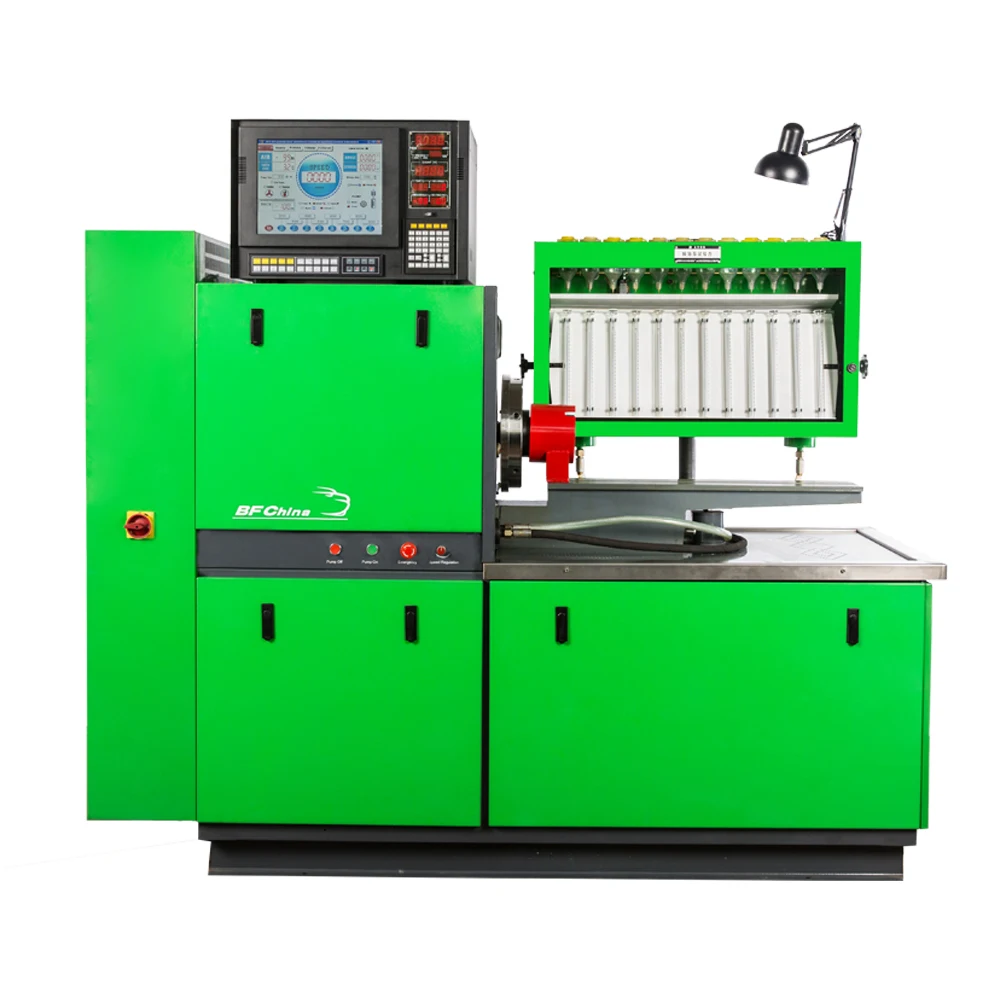
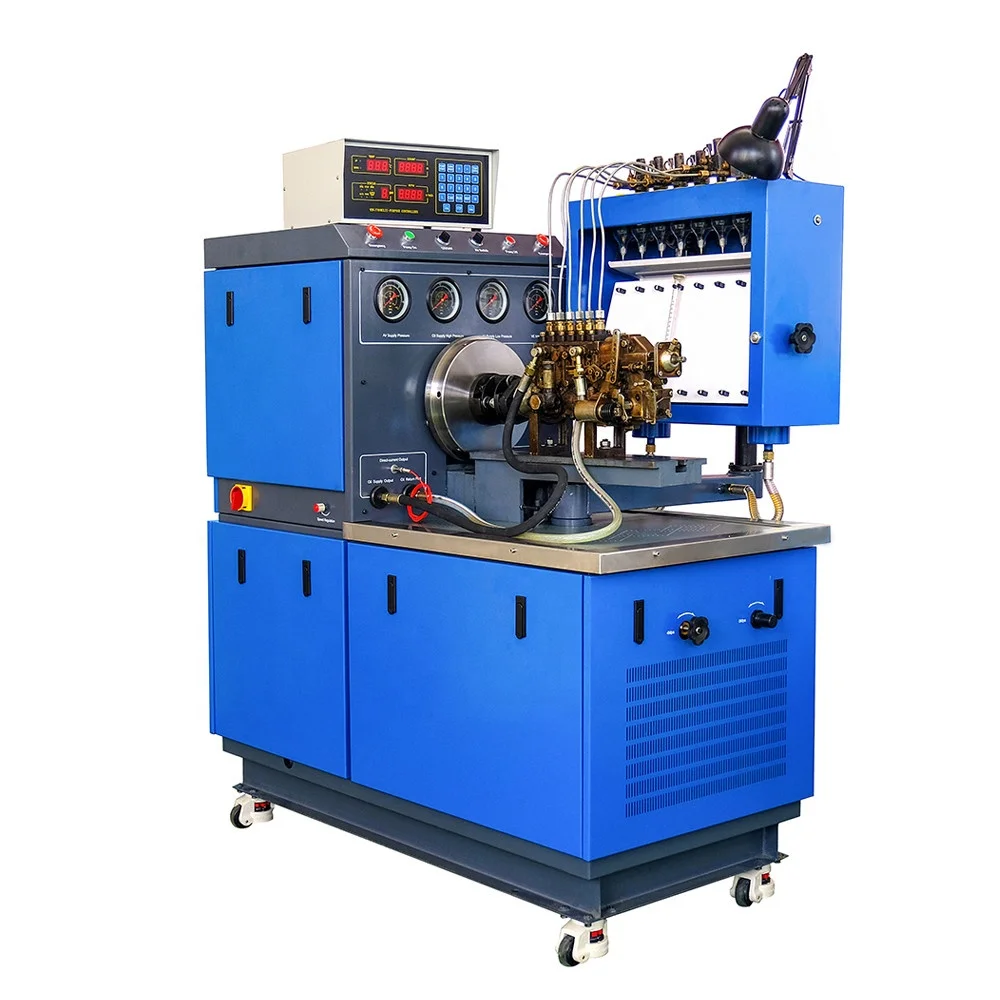
Over the years the testing of diesel pumps has advanced significantly due to new technology and techniques. Diesel pump testing equipment has traditionally been done in the shop or on the field, but now it is able to be computerized, and that allows for modern day testing. Diesel pump testing: Diesel pump testing and measuring equipment for diagnosis. For example, it is able to monitor fuel flow rate, pressure and temperature to ensure that the diesel pump is functioning properly. Ultrasound testing is another method that is used to identify potential issues, such as cavitation that could lead to pump failure. Such advanced technologies and techniques ensure that the diesel pump testing is accurately and effectively performed for improved engine maintenance.
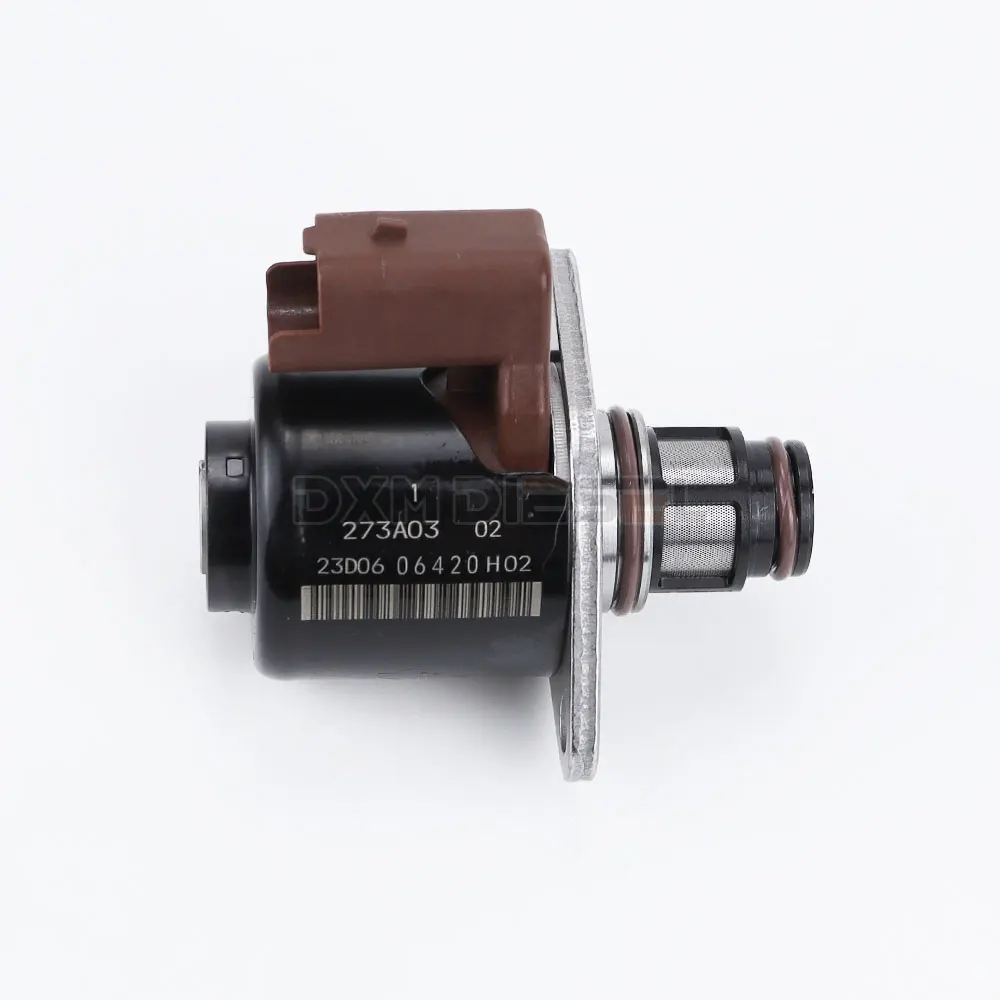
Effective diesel pump testing can minimize your maintenance routine and could save money in the future. Routine testing can detect problems early on, before they escalate, which can result in reduced engine downtime. It aids the engine and makes it last long. Good performance of diesel pump also can help in decreasing the fuel consumption so you can even save good money on fuel as well when you maintain it properly. Regularly testing your diesel pump allows you to establish a simple maintenance schedule that ensures your engine runs smoothly at all times. This allows you to have peace of mind that your engine is being serviced properly.
The company adopts standardized production processes and has passed SGS certification to ensure that every production link meets international standards and further improves product quality and consistency.
DXM DIESEL has precision production equipment such as BOSCH and Hardridge to ensure high precision and high efficiency in the product manufacturing process, thereby ensuring the stability and reliability of product quality.
Since its establishment in 2007, the company has focused on the field of diesel injection systems and has accumulated 13 years of production experience. It can deeply understand customer needs and provide professional technical support and services.
DXM DIESEL is equipped with strict testing equipment to ensure that each product undergoes comprehensive performance testing before leaving the factory to ensure the reliability and durability of the product in actual application.

 EN
EN
 AR
AR
 PT
PT
 RU
RU
 ES
ES
 ID
ID
 TH
TH
 MS
MS