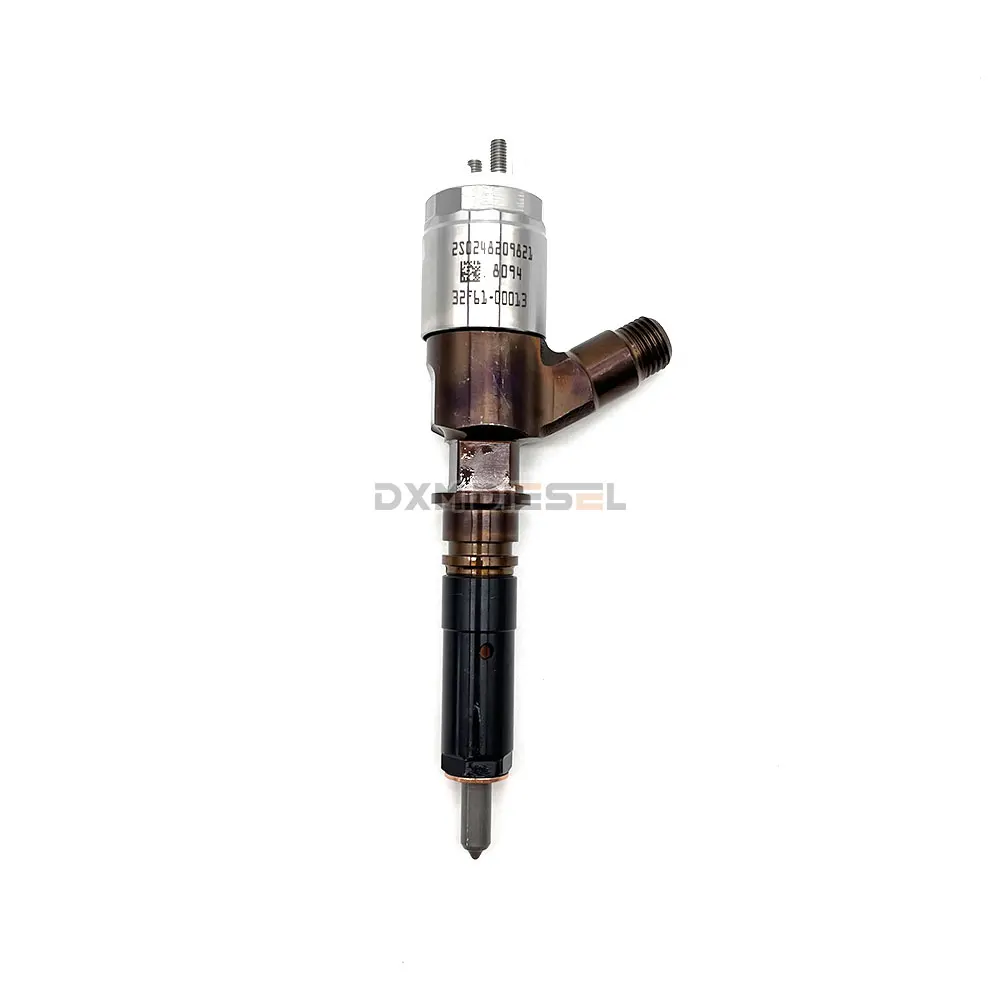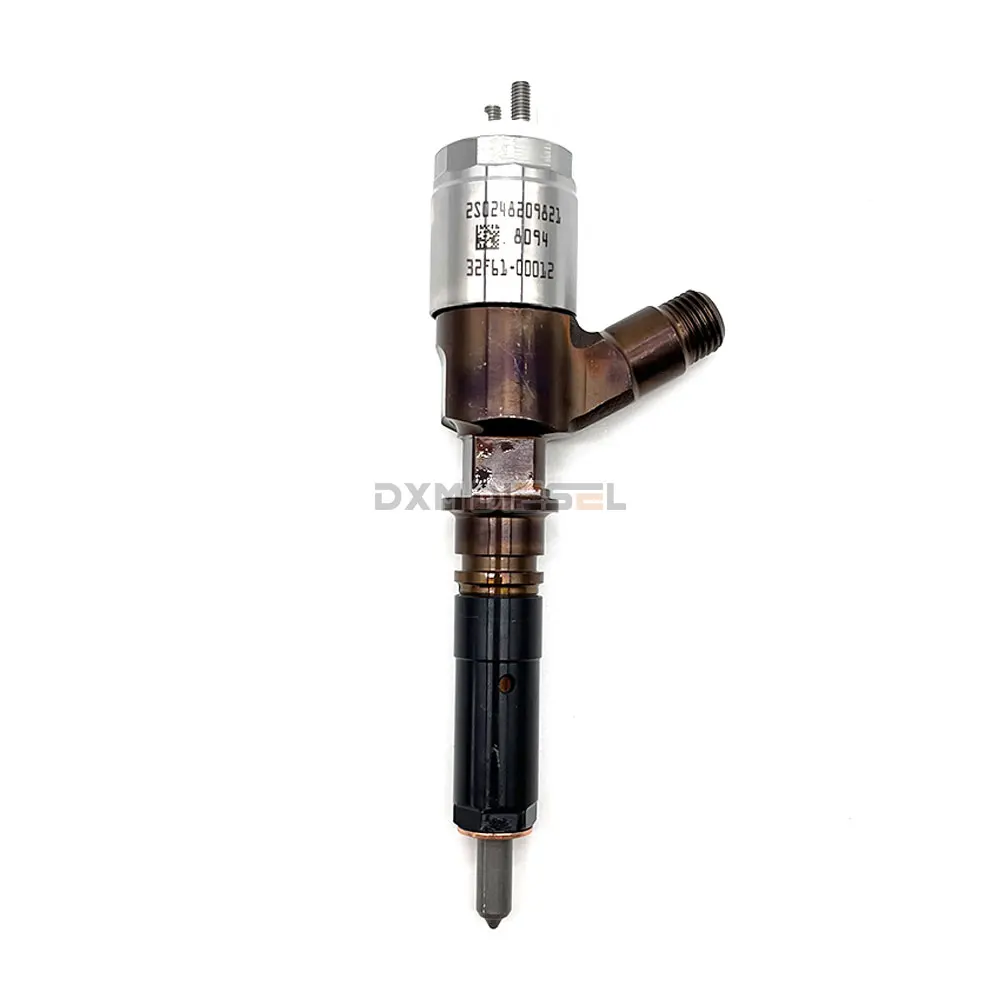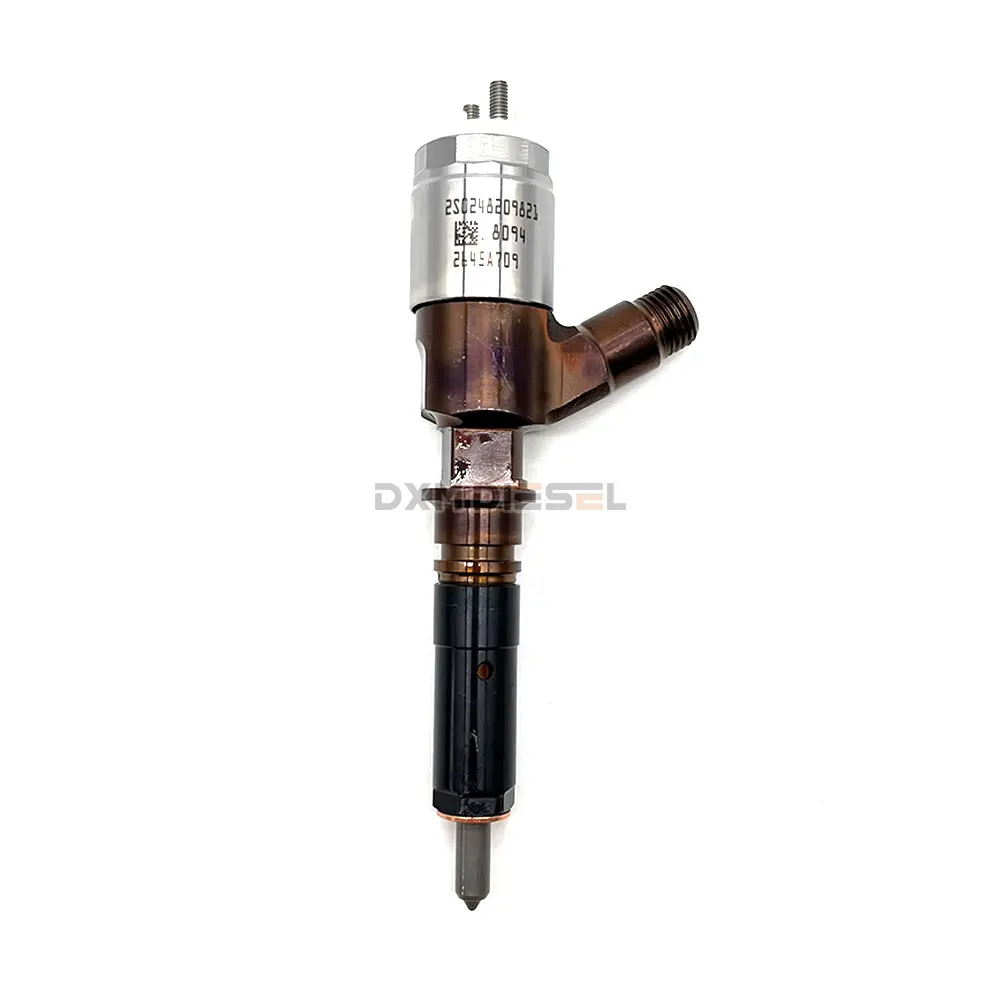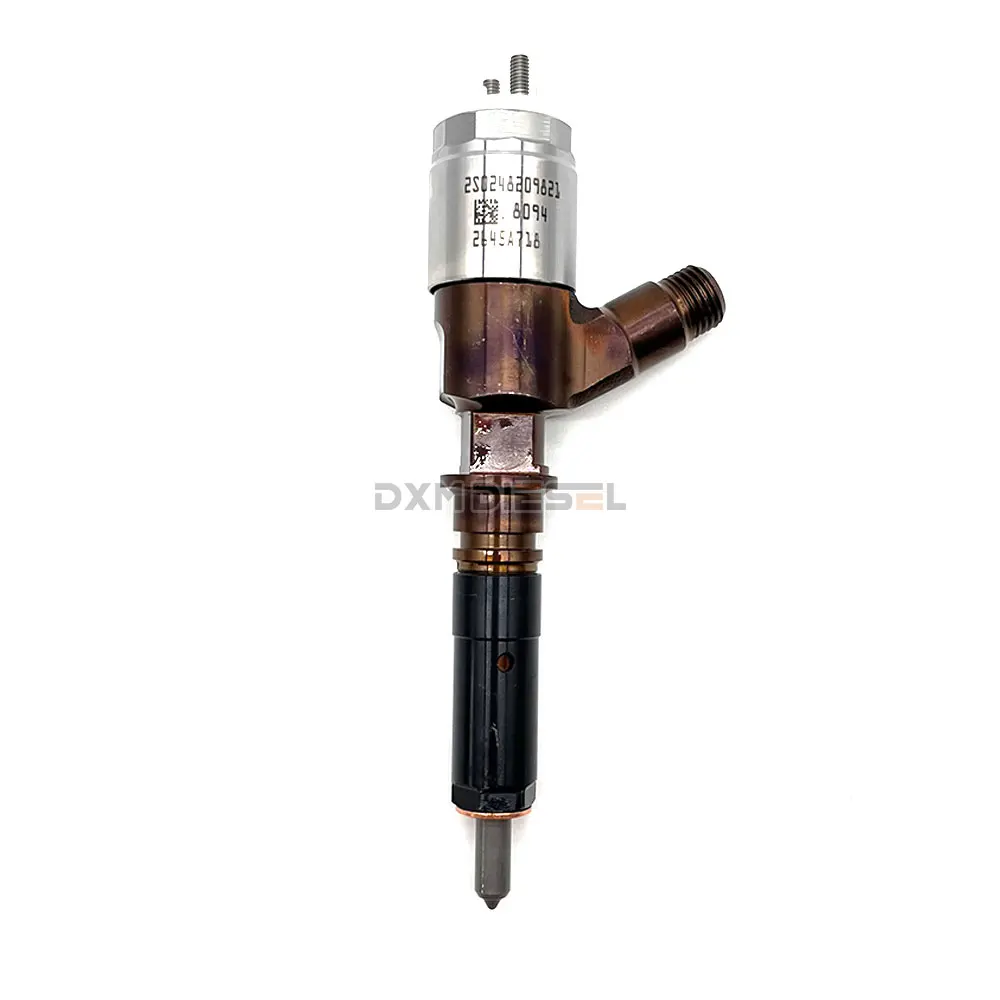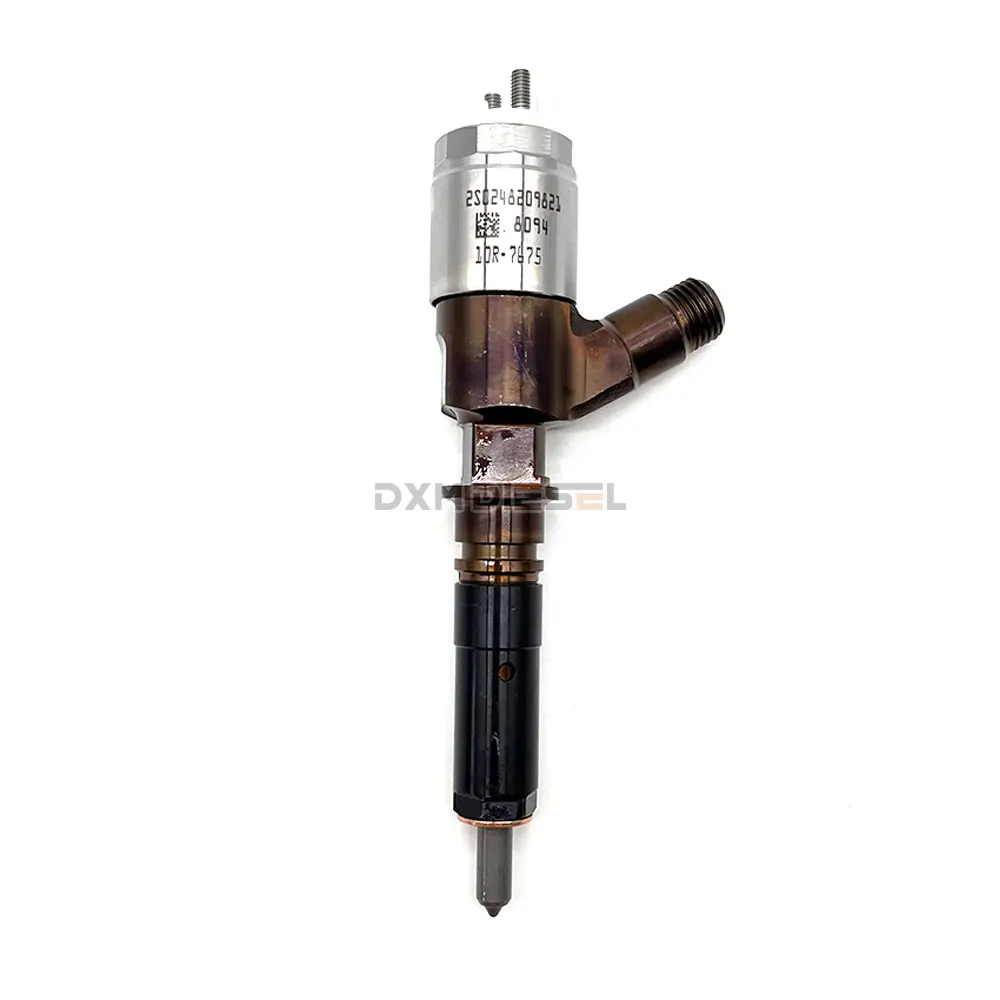


Diesels are pretty unique machines that assist some moving vehicles. It is a special kind of engine known as a diesel engine, which operates differently from conventional gasoline engines. Here we discuss the pros and cons of diesel engines. We will also examine what type of engine works best for your vehicle, how diesel technology has evolved over the years, a few tips on how to save when purchasing fuel, and why diesel engines are absolutely essential for heavy-duty vehicles.
Diesel engines are not without their pros and cons. One major advantage is that they can travel much further on one tank of fuel than traditional gasoline engines. That means you can go farther between stops for more gas. Diesel engines can be more potent than gasoline engines. That additional power has proven useful for larger vehicles, such as trucks, that require high loads. Diesel engines have a number of benefits, but they have Pi VIN, Pi VIN. With that said, one downside is that they can be much noisier than gasoline engines, which might annoy some folks. Diesel engines also tend to create greater air pollution, which is bad for the planet.
What kind of engine is best for your car really comes down to how you're going to be using it. For example, if you will be doing a lot of highway driving, then a diesel engine might suit you better, since it can travel further on less fuel. That means you could save money on flights that log long-distance hauls. However, if you plan to spend most of your time driving in the city with lots of stops and shorter distances where you are not likely to burn through the battery quickly, a traditional gasoline engine may be the way to go. Gasoline engines are typically less polluting, so they can contribute to improved air quality within the city.
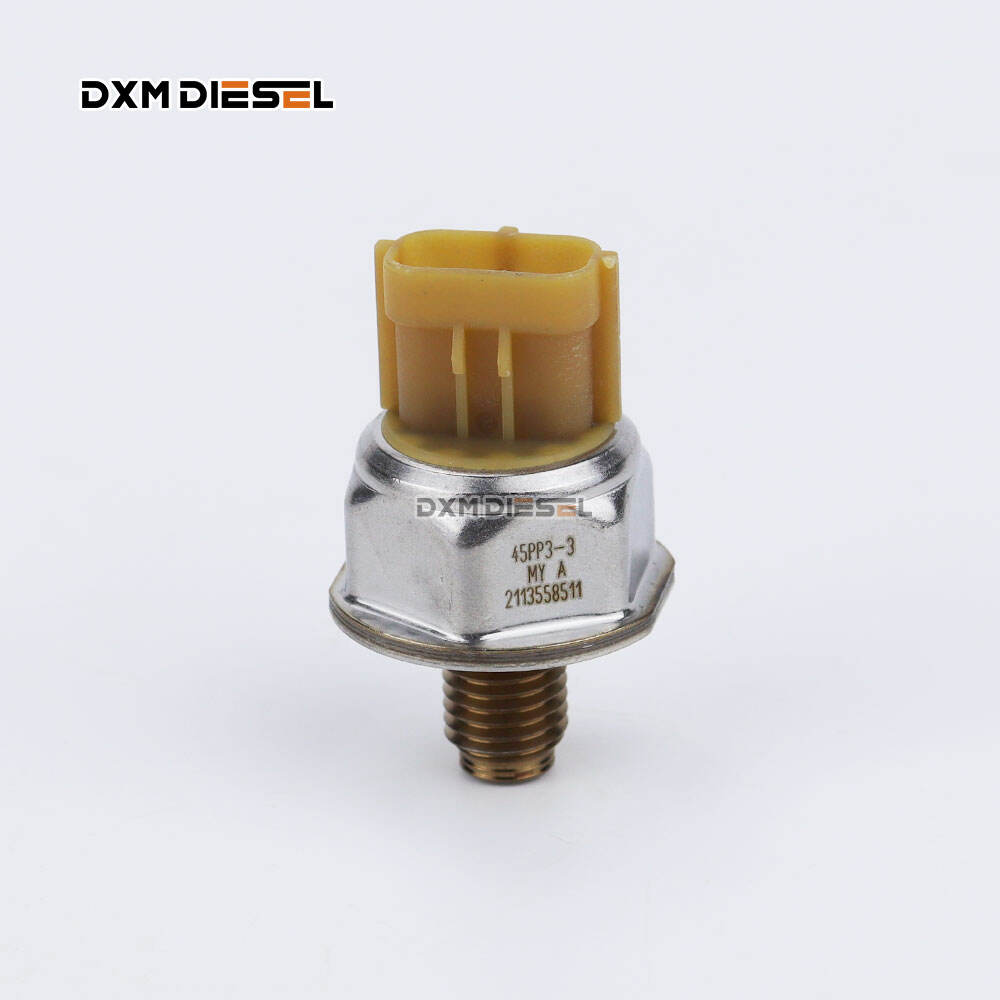
Diesel engines are ancient; they have been around for well over a century! Diesel engine technology has come a long way over the years. Today's diesel engines are made that are more efficient here as they need less fuel to accomplish the same power which saves money. These newer engines also generate less air pollution, an important contributor to good air quality. In addition, most modern diesel engines tend to be quieter than the older engines. This means when you drive a newer generation diesel vehicle it will not be as noisy as older ones making it a comfortable ride.
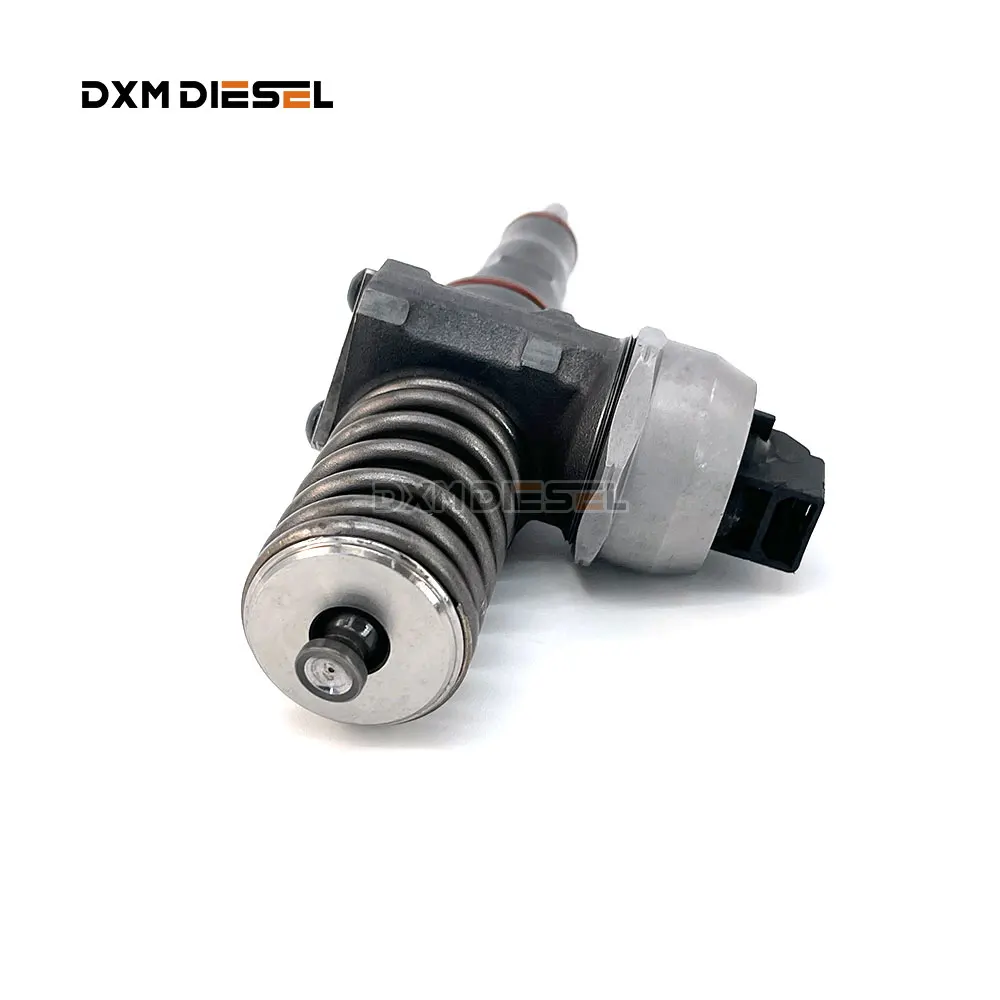
Choose a vehicle with better fuel economy: A vehicle with better fuel economy will save you money when you buy fuel. Diesel engines are often decent at this because they can consume less fuel than certain gasoline engines. You will save on the running costs over time when you choose a diesel vehicle. Another way you can save money is through careful driving. This does not mean running very fast or accelerating quickly. You will consume less fuel in your hours when you drive carefully. It will not only help you save money in the end but also help in using less fuel, which is eco-friendly.
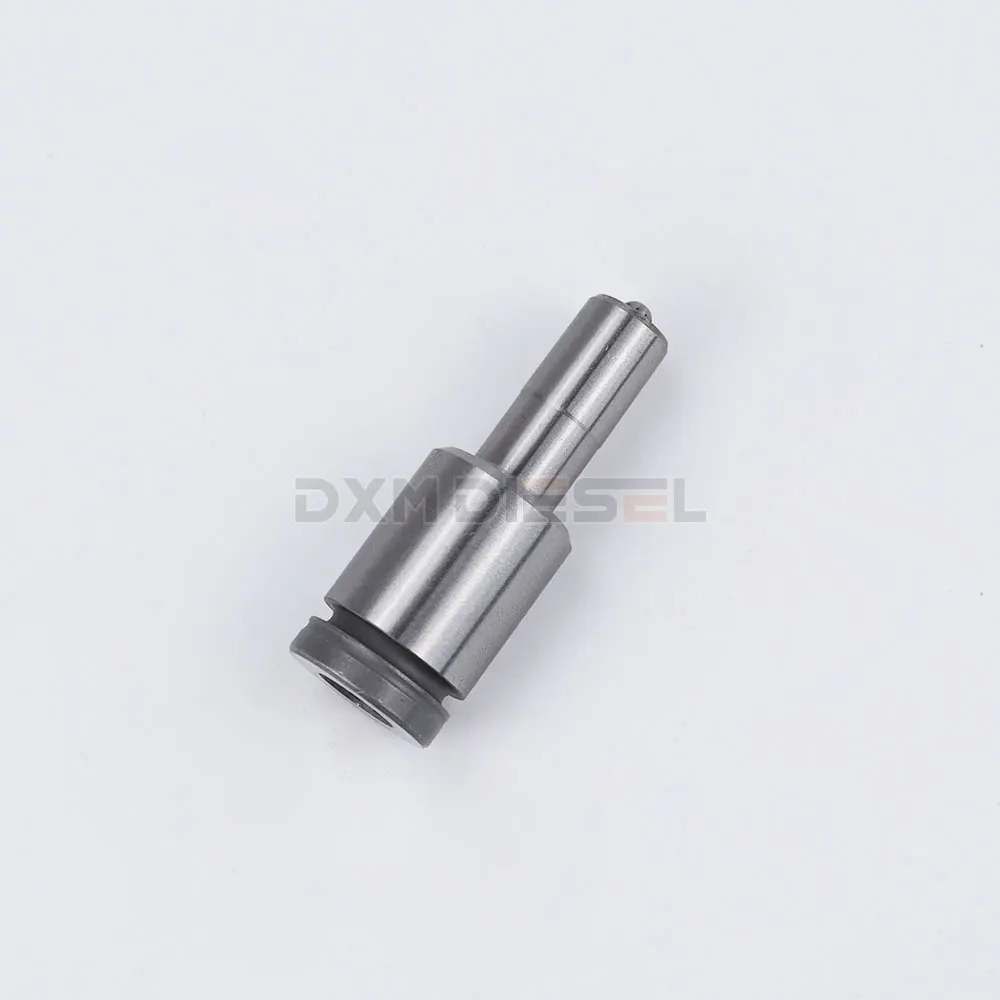
This is why diesel engines are used in heavy-duty vehicles such as trucks, where they deliver the additional power required to haul heavy cargo. Cars are not meant for moving large items, and diesel engines make it relatively easy. Diesel engines are also used in other large machines, including tractors and construction equipment, in addition to trucks. These machines typically require a great deal of power to carry out their function, and diesel engines are very capable of delivering that power.
Since its establishment in 2007, the company has focused on the field of diesel injection systems and has accumulated 13 years of production experience. It can deeply understand customer needs and provide professional technical support and services.
DXM DIESEL is equipped with strict testing equipment to ensure that each product undergoes comprehensive performance testing before leaving the factory to ensure the reliability and durability of the product in actual application.
DXM DIESEL has precision production equipment such as BOSCH and Hardridge to ensure high precision and high efficiency in the product manufacturing process, thereby ensuring the stability and reliability of product quality.
The company adopts standardized production processes and has passed SGS certification to ensure that every production link meets international standards and further improves product quality and consistency.

 EN
EN
 AR
AR
 PT
PT
 RU
RU
 ES
ES
 ID
ID
 TH
TH
 MS
MS