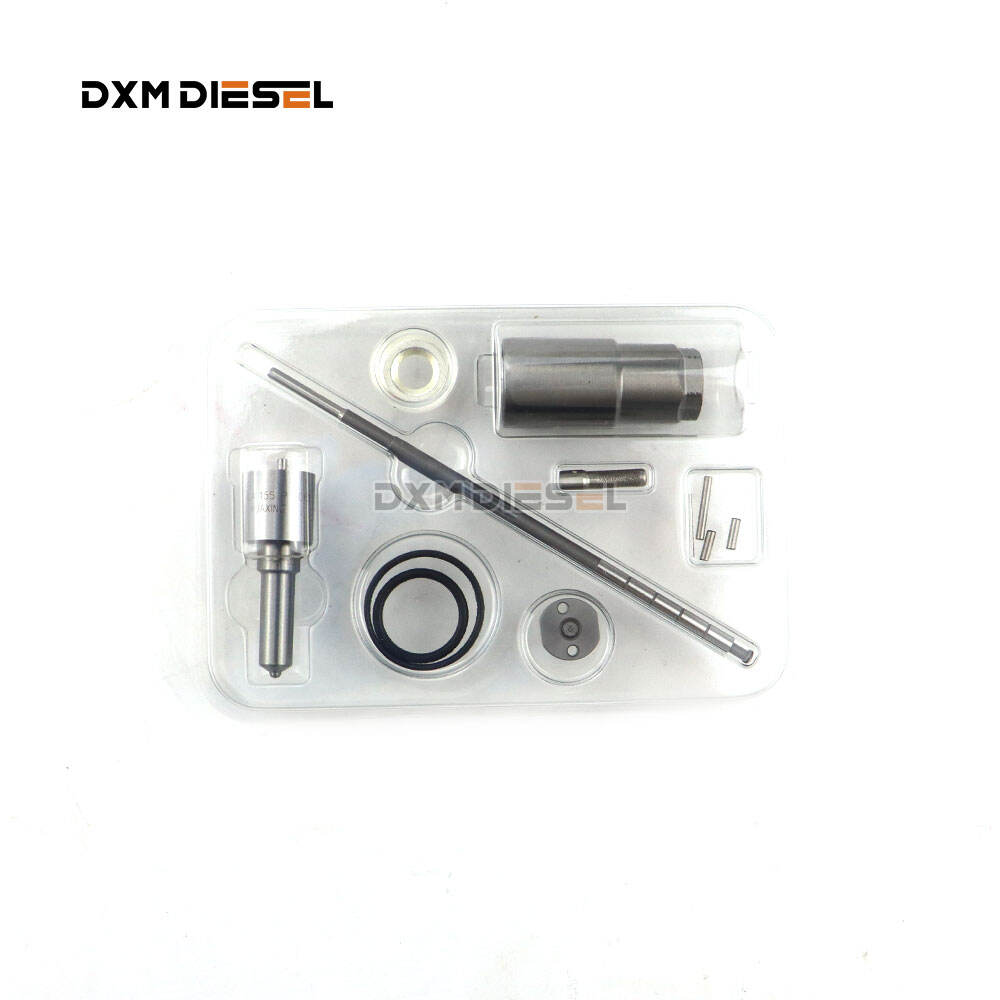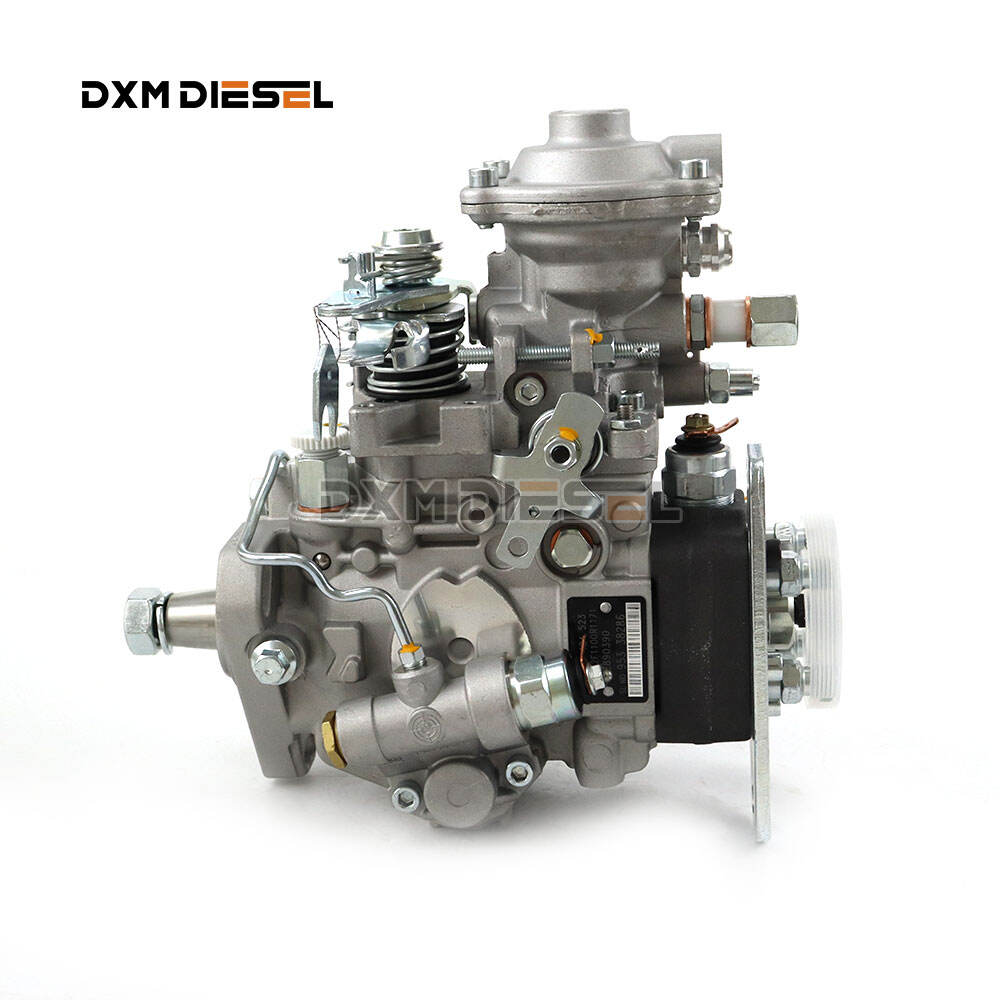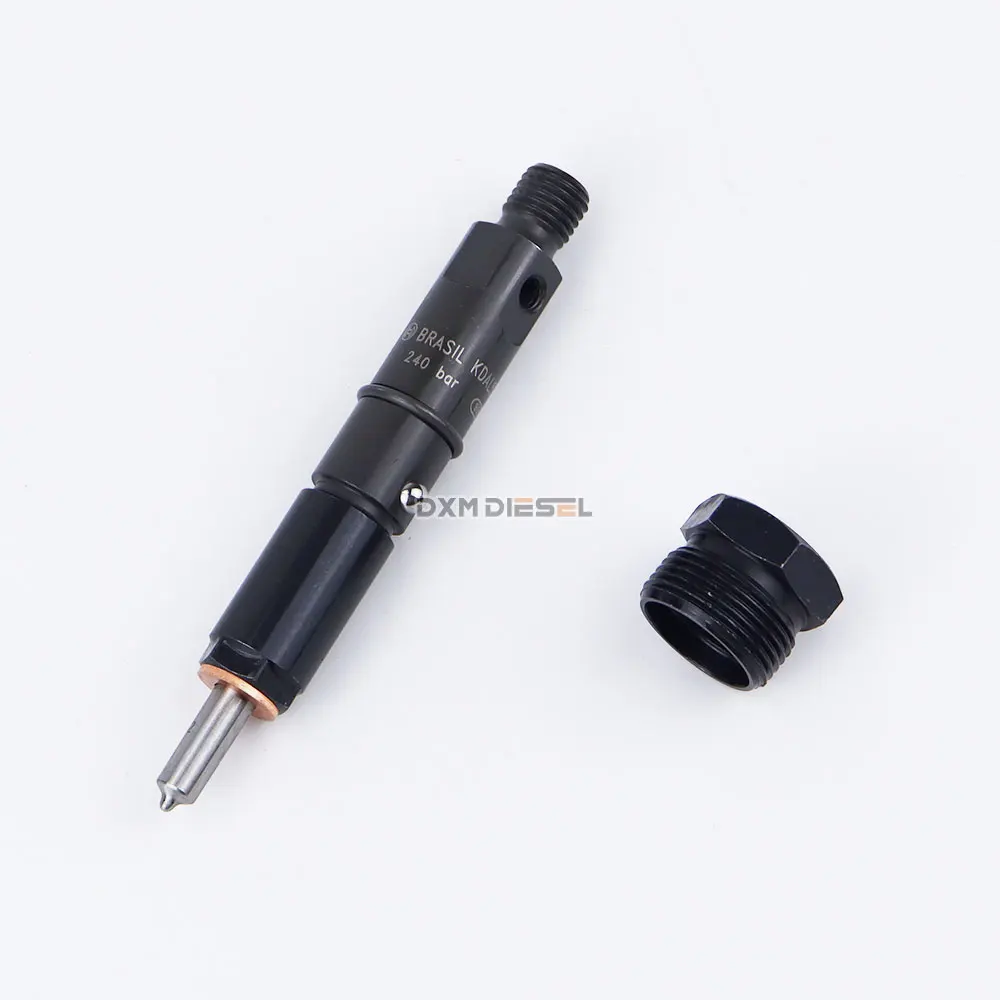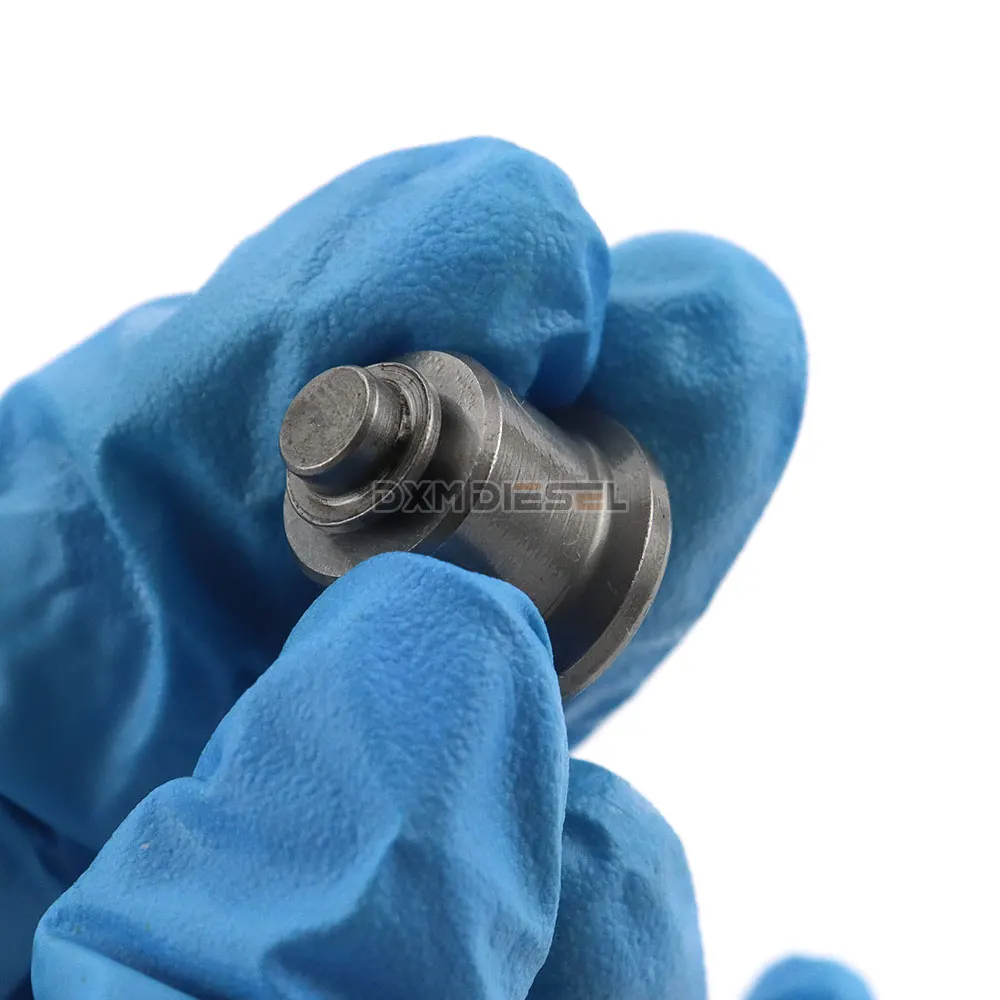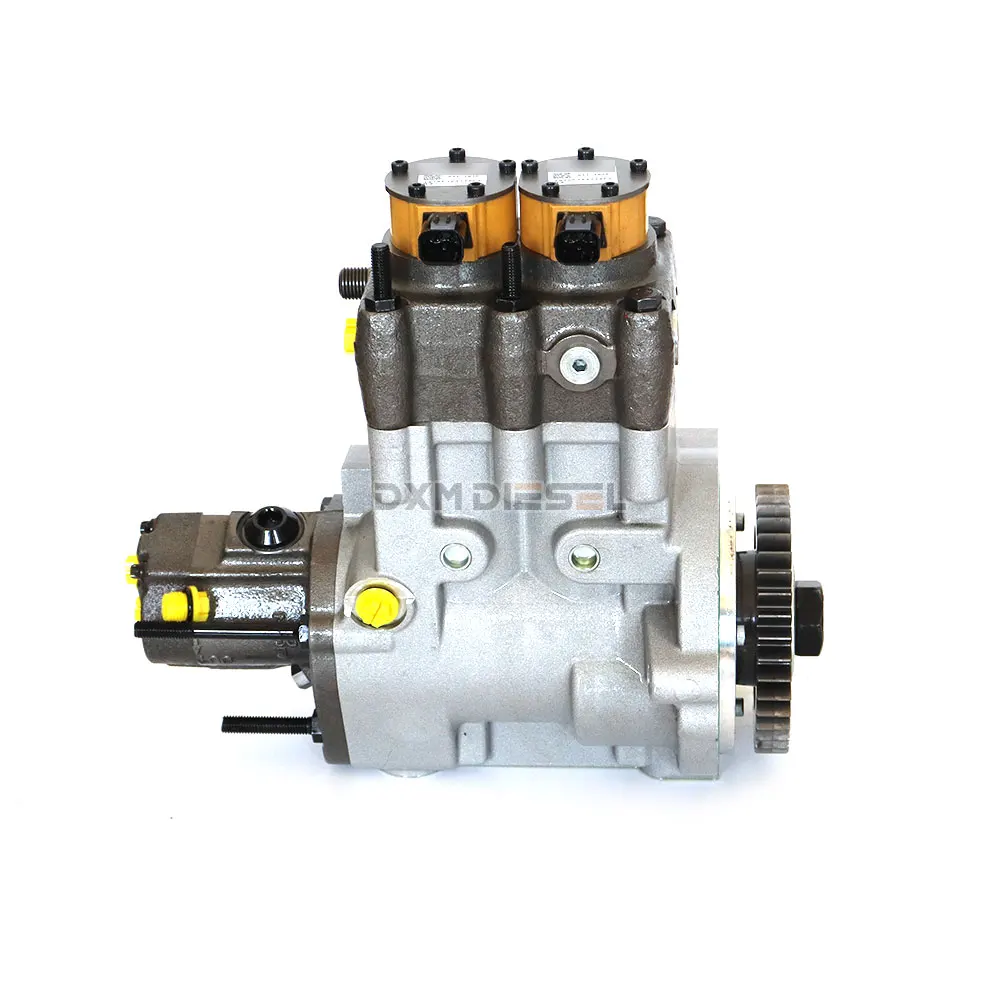


Force pump: A water pump that can increase the height of water. It employs a pressure system to elevate the water. This pump consists of a large cylinder, which is a tall tube with a piston inside it. The piston , is the moving up and down, piece. The piston has a pump handle attached to it to move it. Once we pull the handle, it makes a vacuum. This vacuum draws the water from a lower place, such as a lake or a well.
Pushing this piston down creates an intense vacuum that sucks water into that cylinder. This is similar to when you sip a beverage through a straw; the straw sucks the liquid up. Then, the water sucked in is pushed out of the cylinder when the piston goes up. This process aids in pushing the water through pipes or hoses and pushes it along to the desired destination, such as watering plants or filling up a tank.
DXM is a provider of common rails for various jobs and industries. We are proud to make good, solid force pumps you can stand on. We offer powerful, efficient, and user-friendly force pumps. We select good materials to ensure the longevity and durability of our force pumps. This also means they can be used repeatedly without requiring significant repairs.
The force pumps have a lot of good things about them. For example, one big advantage is that they can transfer water from low places to high places, which is especially important for farmers, builders and many other jobs. Farmers, for instance, may use force pumps to bring water from a river or well to their fields, meaning their crops will remain healthy and growing. Finally, force pumps are efficient, meaning they require less energy for operation than most pumps, and they can be operated by many people.
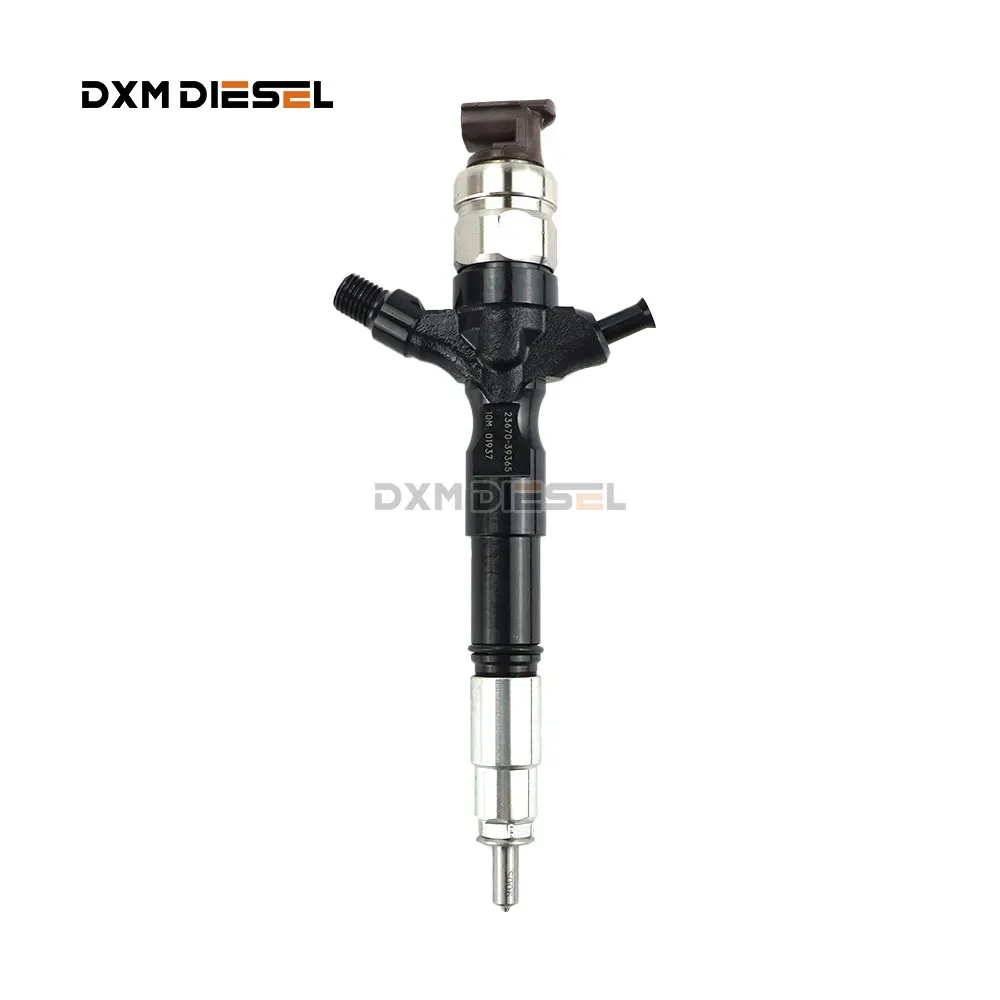
But there are also some shape challenges or limitations associated with force pumps. One limitation is that they can’t transport large volumes of water over long distances. This is because the longer the water has to travel, the more difficult it is to push it. So, if you need to transport water long distances, a force pump might not be your best option. A second disadvantage is that force pumps require highly expansive energy to operate, which translates to higher costs for continuous operation. It is worth thinking about when deciding what pump to use for a given job.
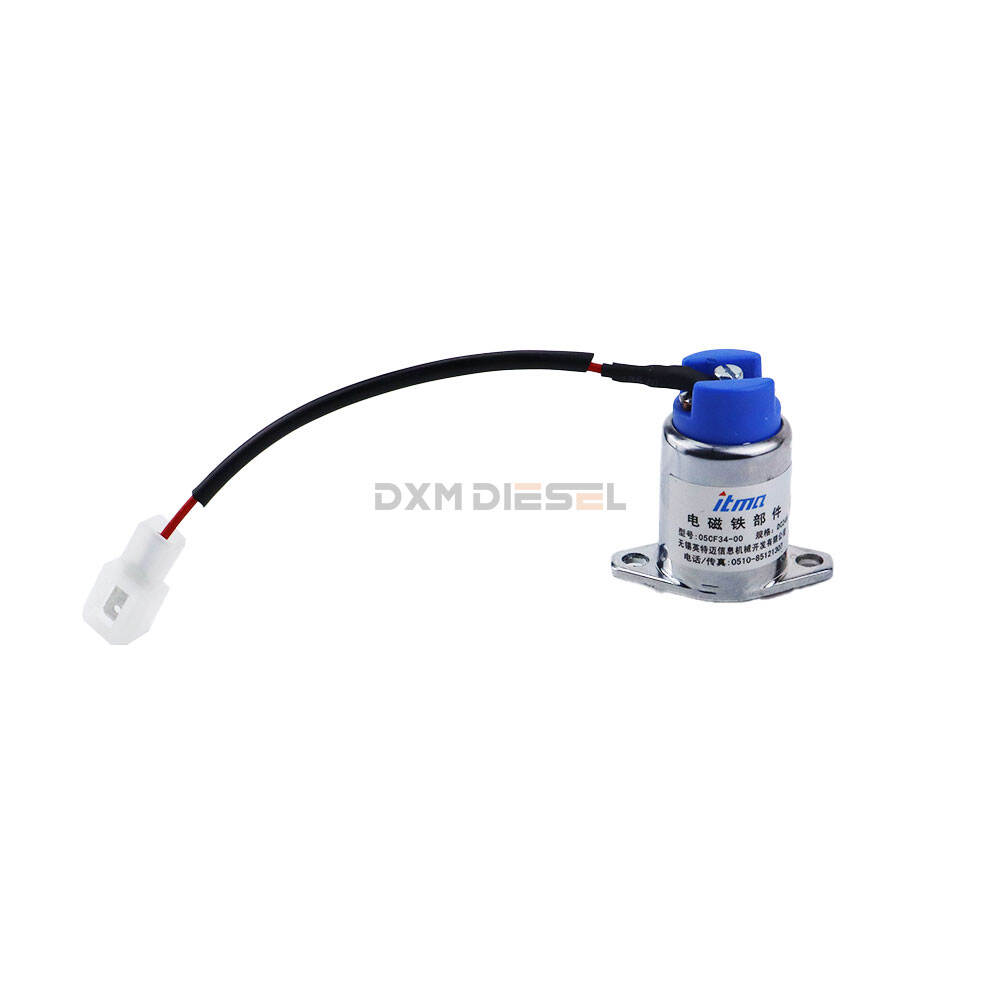
Over the years, force pumps underwent a lot of changes to make them work better and more efficiently. The first force pumps were also made of wood. They were handy, but wood doesn't last all that great, and can break easily. Force pumps are now produced with newer technology and materials which is metal and plastic. And it can hold up for longer and work on more work so it pushes the force pumps more durability. This improvement gives users the confidence that their pumps will be effective when they need them.
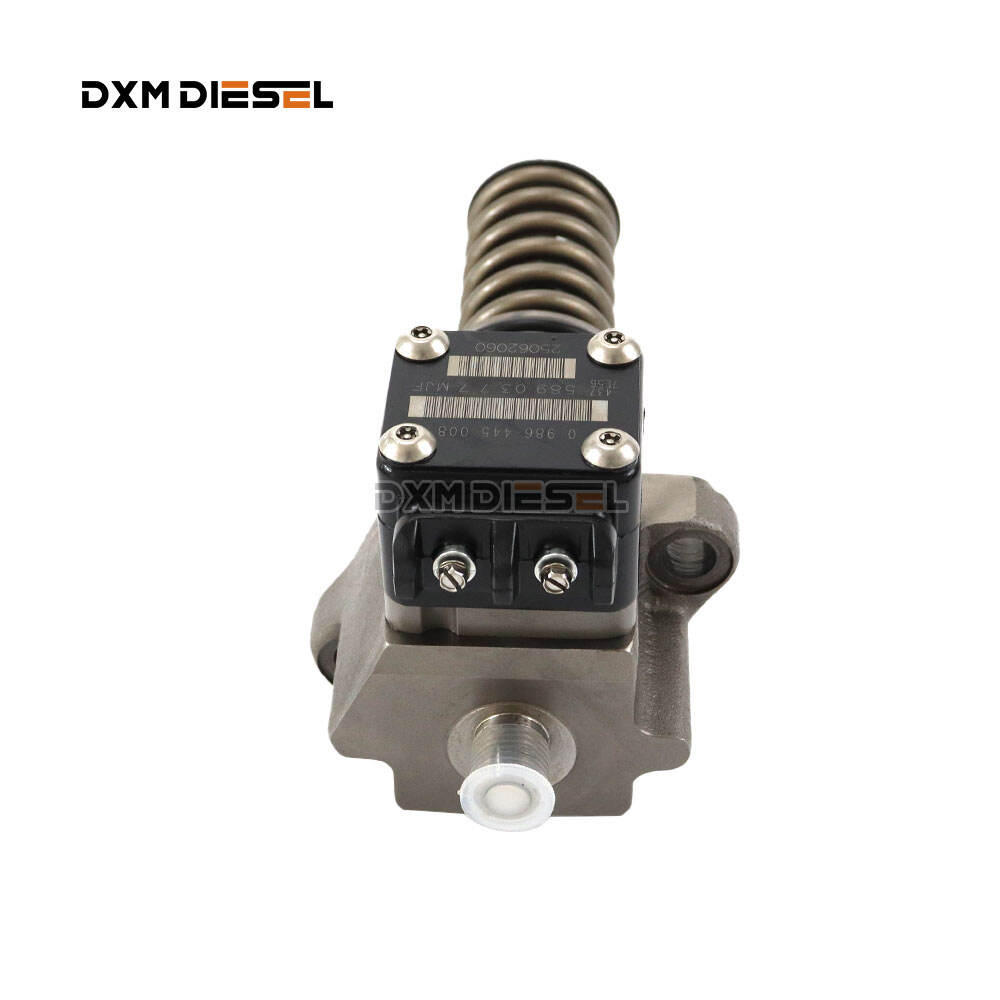
Oil Industry: The oil industry also benefits from force pumps. They’re used to pump oil and gas from far below ground to the surface. The oil and gas must undergo this process so they can be used for a variety of applications such as automobile fuel and heating for homes.
DXM DIESEL is equipped with strict testing equipment to ensure that each product undergoes comprehensive performance testing before leaving the factory to ensure the reliability and durability of the product in actual application.
Since its establishment in 2007, the company has focused on the field of diesel injection systems and has accumulated 13 years of production experience. It can deeply understand customer needs and provide professional technical support and services.
The company adopts standardized production processes and has passed SGS certification to ensure that every production link meets international standards and further improves product quality and consistency.
DXM DIESEL has precision production equipment such as BOSCH and Hardridge to ensure high precision and high efficiency in the product manufacturing process, thereby ensuring the stability and reliability of product quality.

 EN
EN
 AR
AR
 PT
PT
 RU
RU
 ES
ES
 ID
ID
 TH
TH
 MS
MS