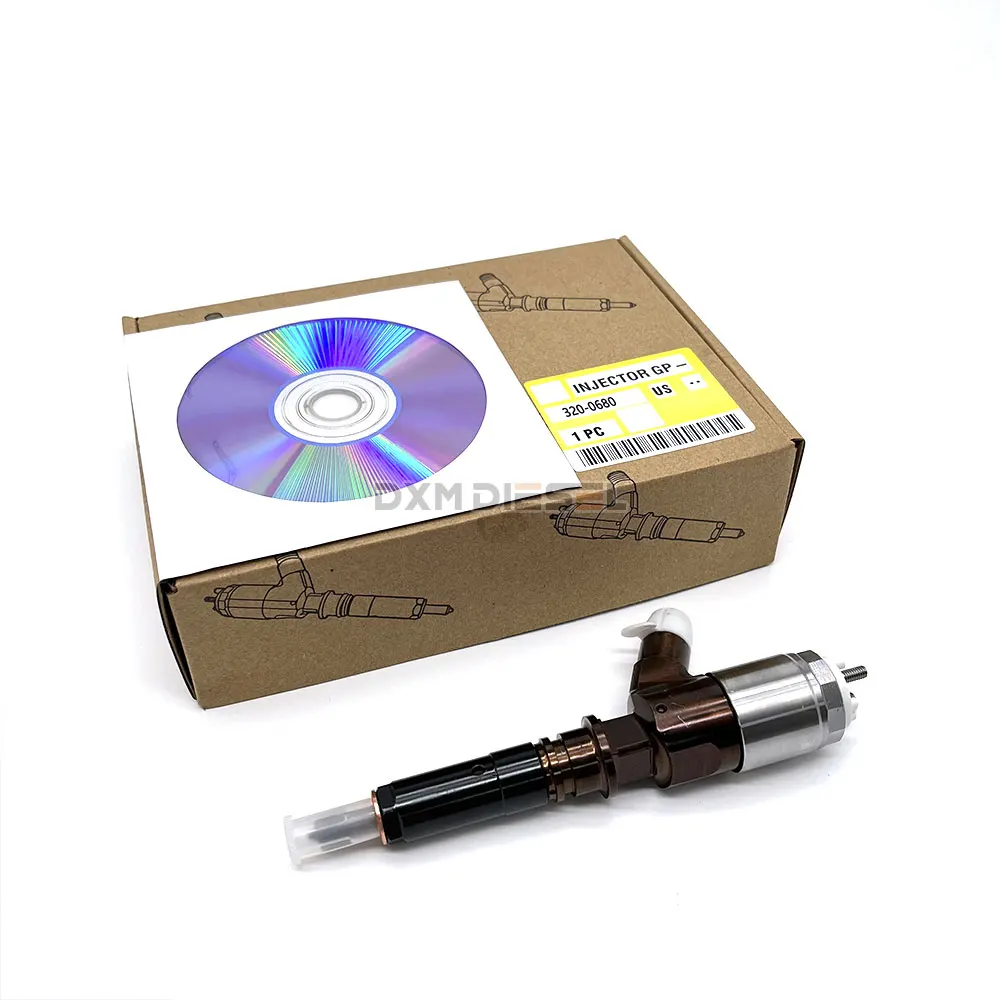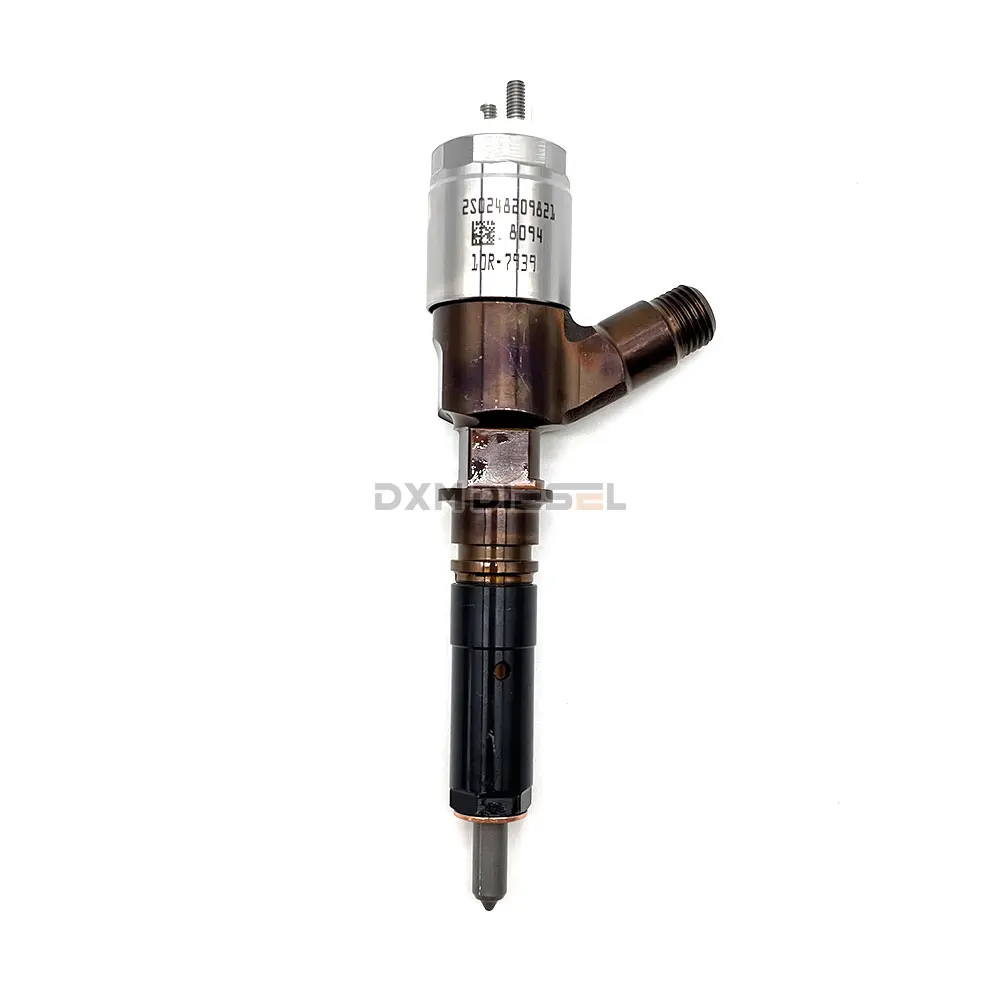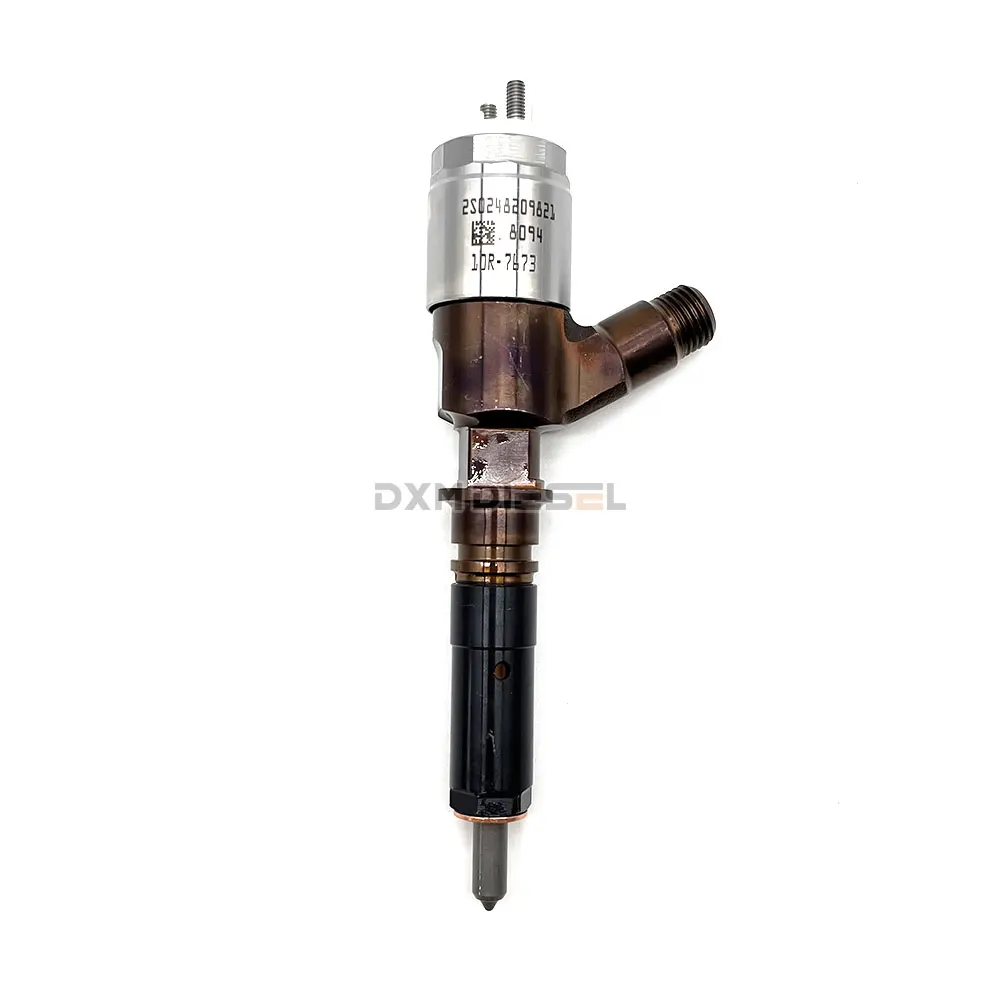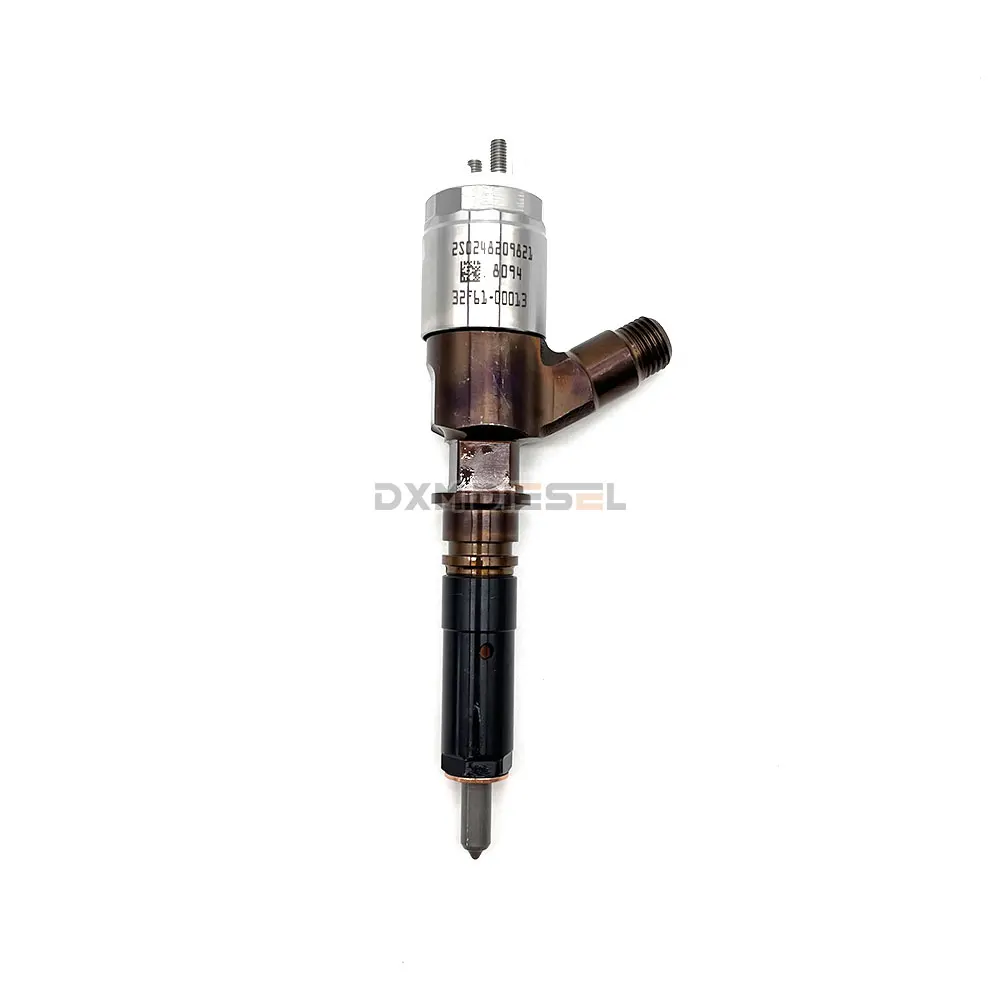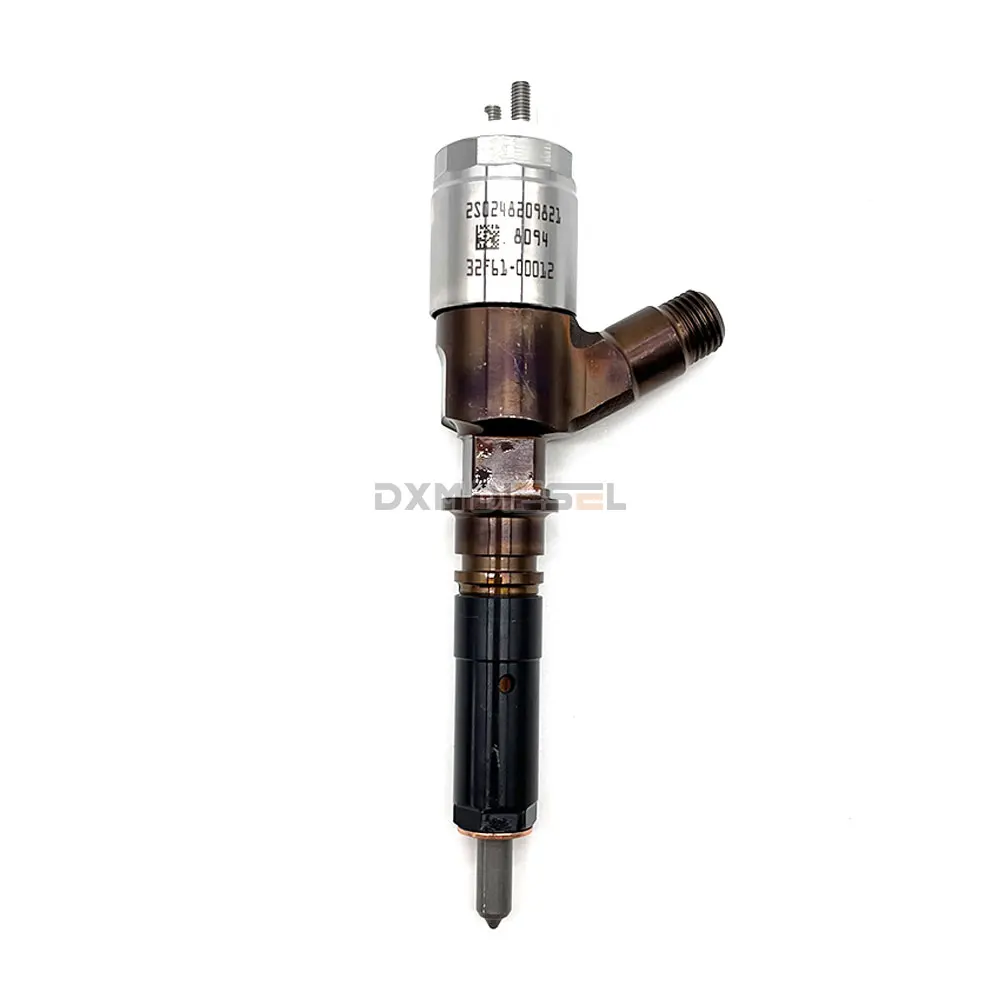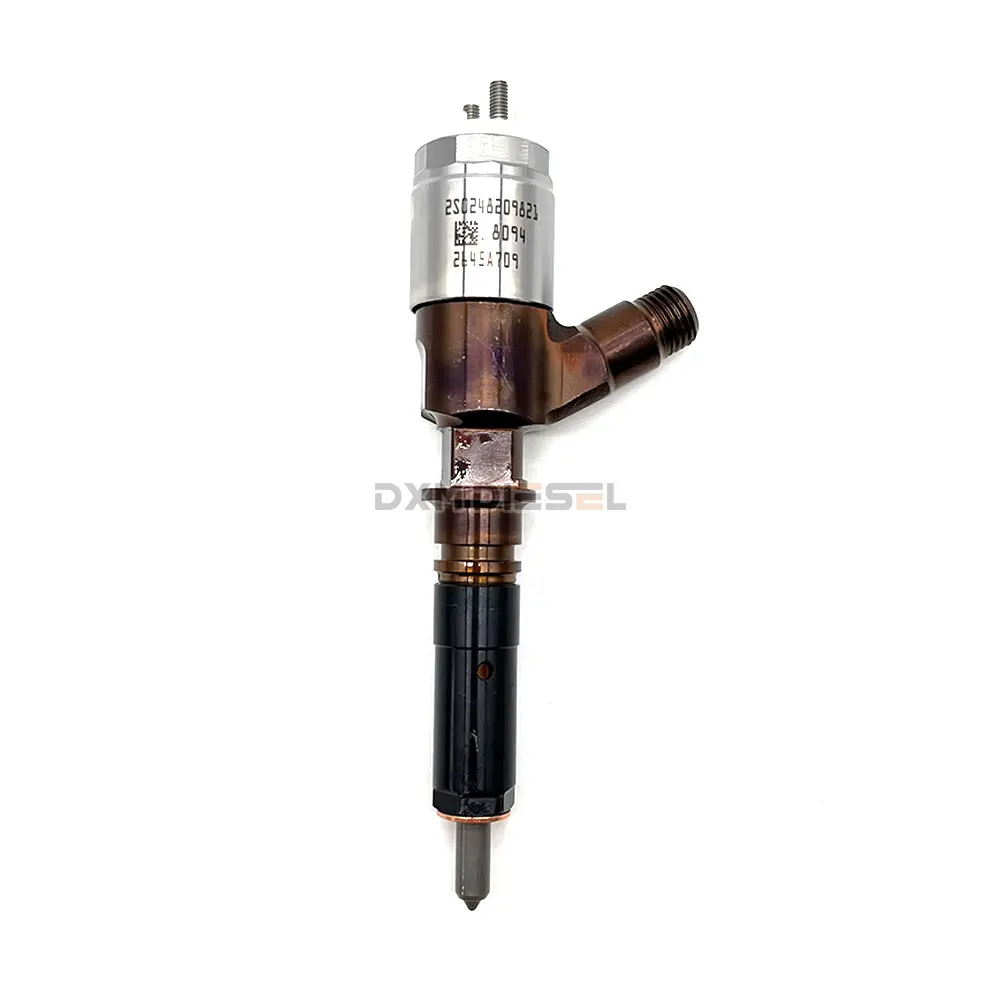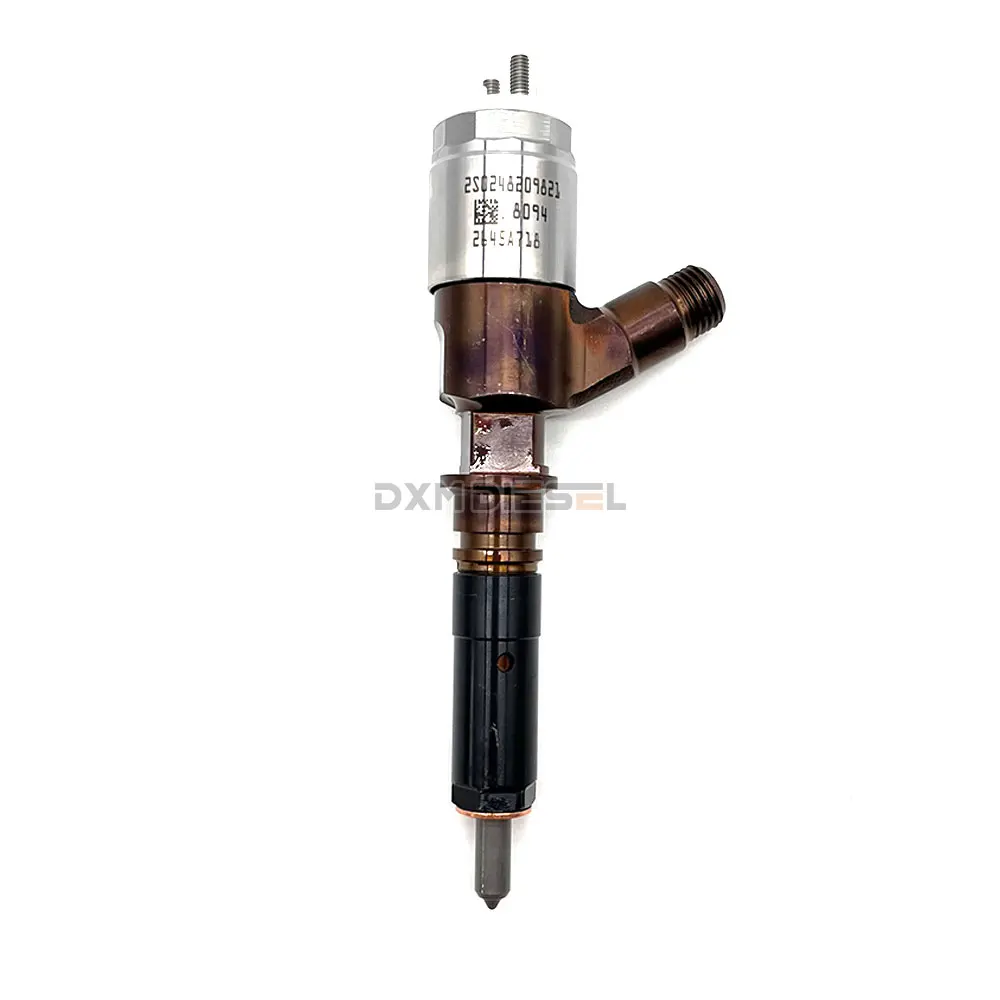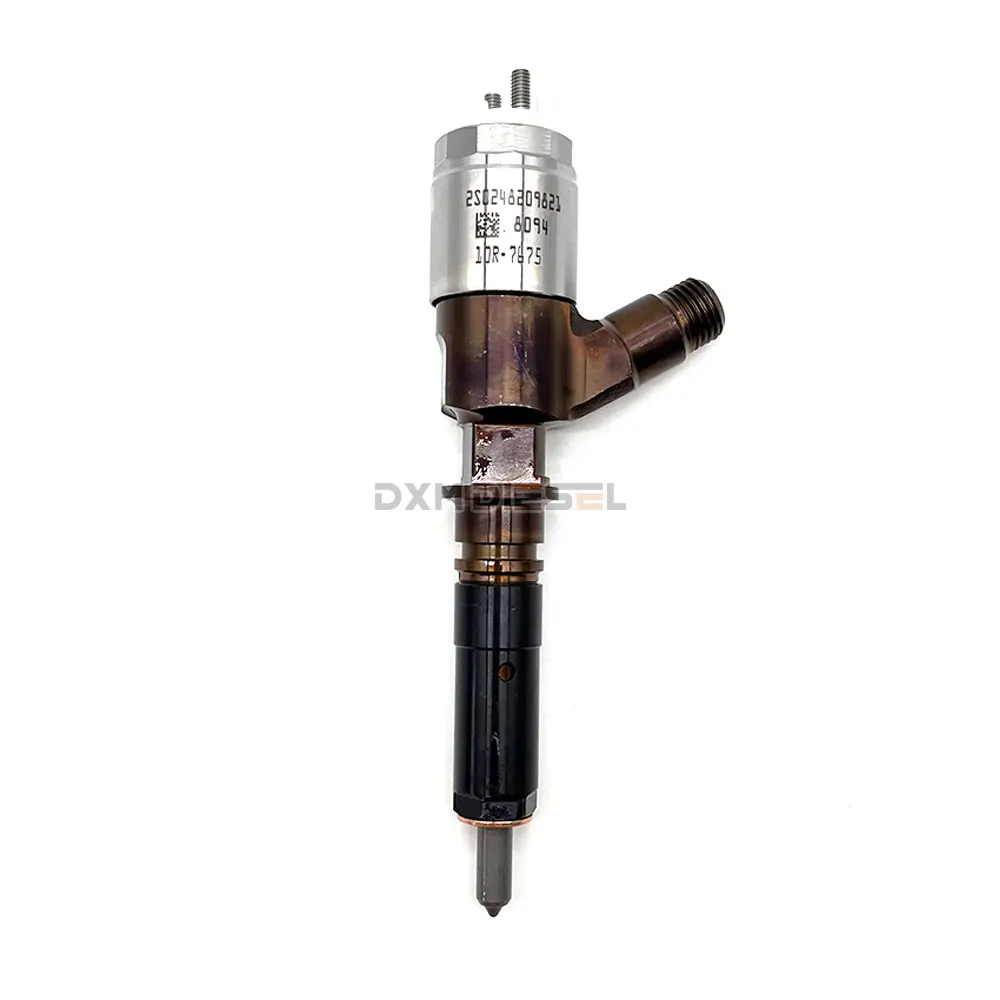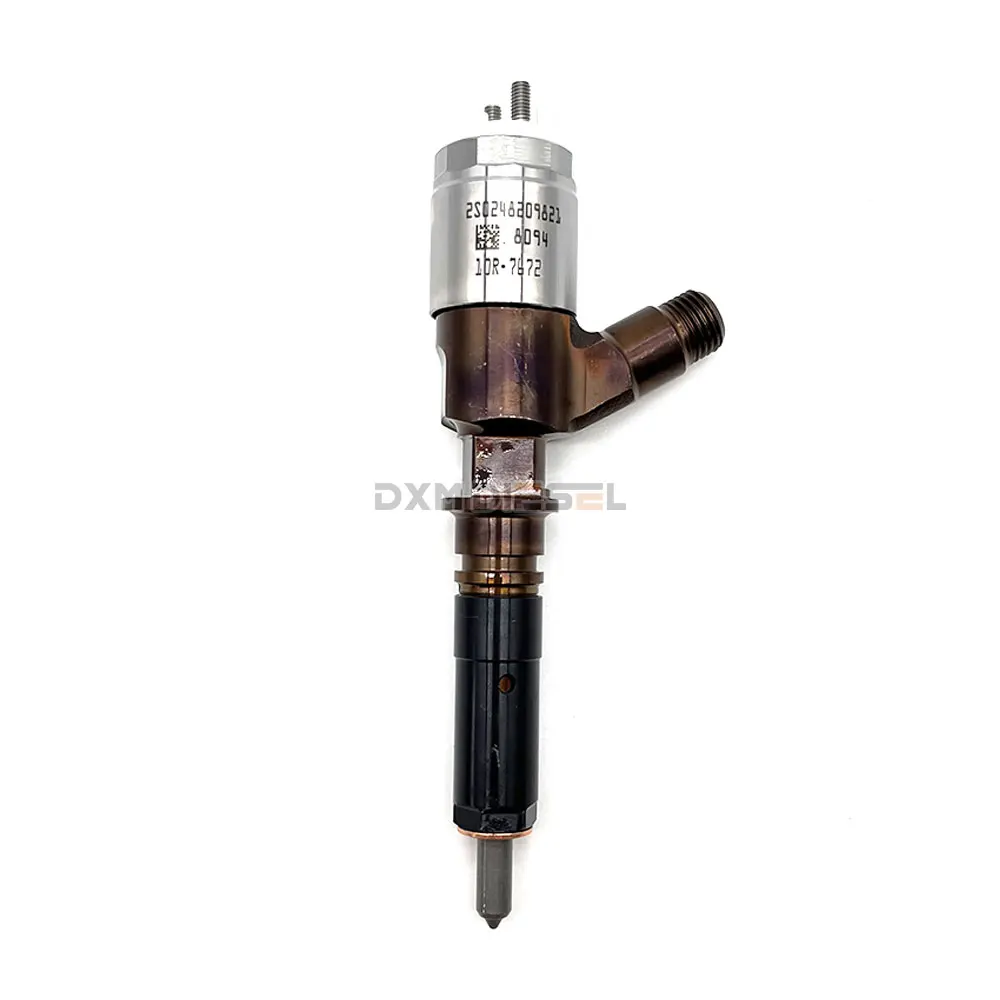


Hey kids! That asks; have you ever heard of a fuel injection pump? Well, it’s a key component of your vehicle’s fuel system that plays a role in regulating the flow of gasoline from the gas tank to the engine. Here, we are going to learn everything about fuel petcock valves. Let’s find out what they are, how you can choose the right size for your vehicle, some tips for keeping them healthy, common problems that can arise and why these are so important to your vehicle!
Opening up when you turn the vehicle to the start position (turn the key). This opening lets gasoline to reach the engine so it can function. The valve closes when you turn off your vehicle. This matters a lot because it prevents gasoline from leaking out. Your vehicle not working accurately can be caused by gasoline leakage. Here, you can understand how important fuel petcock valves are for making everything run safely and smoothly.
Second, you should also know that fuel injection systems come in many different shapes and sizes. But they all share the same primary function: They control the flow of fuel. Some valves have two settings — one that turns the gas off when the vehicle is not in use. Other valves can even have more options, including "on," "off, and "reserve settings; however, the only setting you get with the pedal valve is "all the way down and "all the way up." The feeding "reserve" setting comes in handy when you are running low on gas and want to use that last bit in your tank.
Now onto the selection of the correct fuel petcock valve for your application. Big and fat gas tank means a lot of gas flows through at once so a 3 inch pipe will require a 3 inch valve. The valves are different for each type of gas tank on cada vehicle, so you must check that the valve fits perfectly.
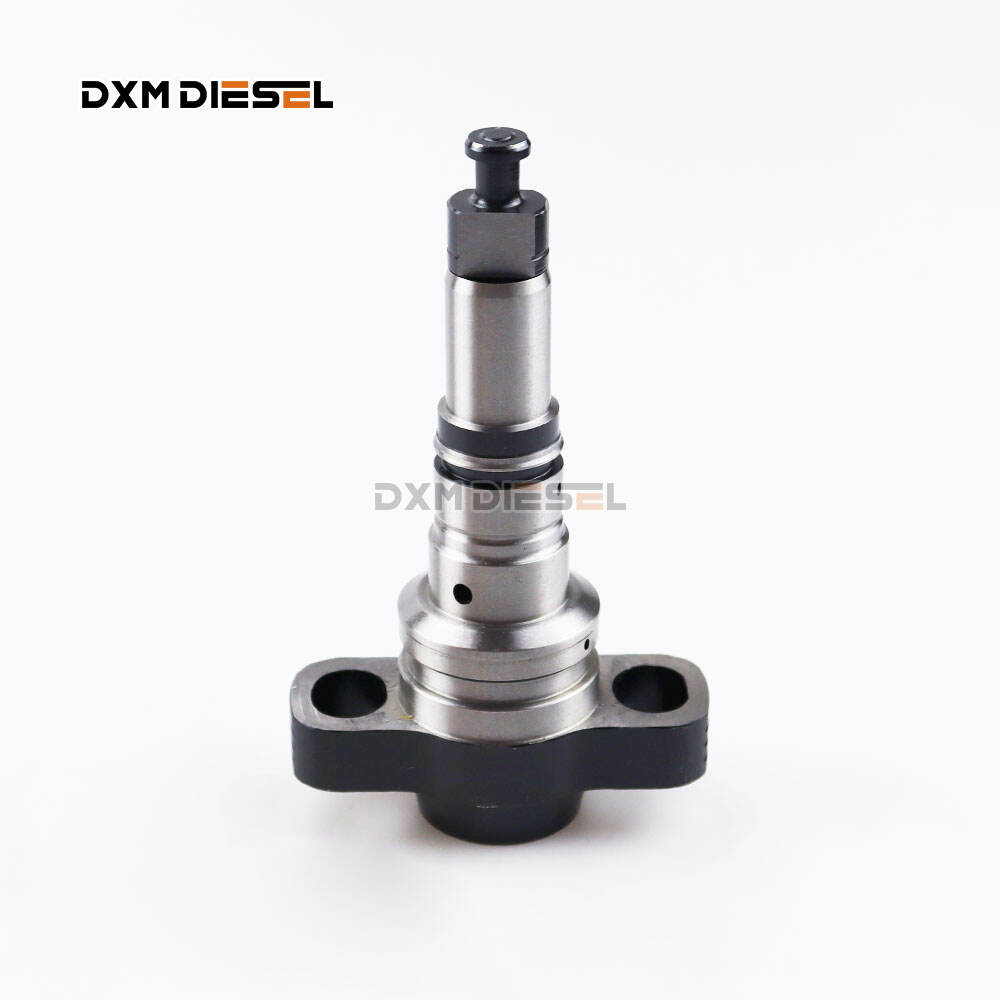
There can occasionally be issues with fuel petcock valves. One problem is that they can become blocked in the "on" position. That can occur if you don’t lubricate them frequently or they start to corrode. If your valve is sticking, you can tap it with a lubricant in hopes it moves again. If that doesn’t do it, you may have to replace the valve with a new one.
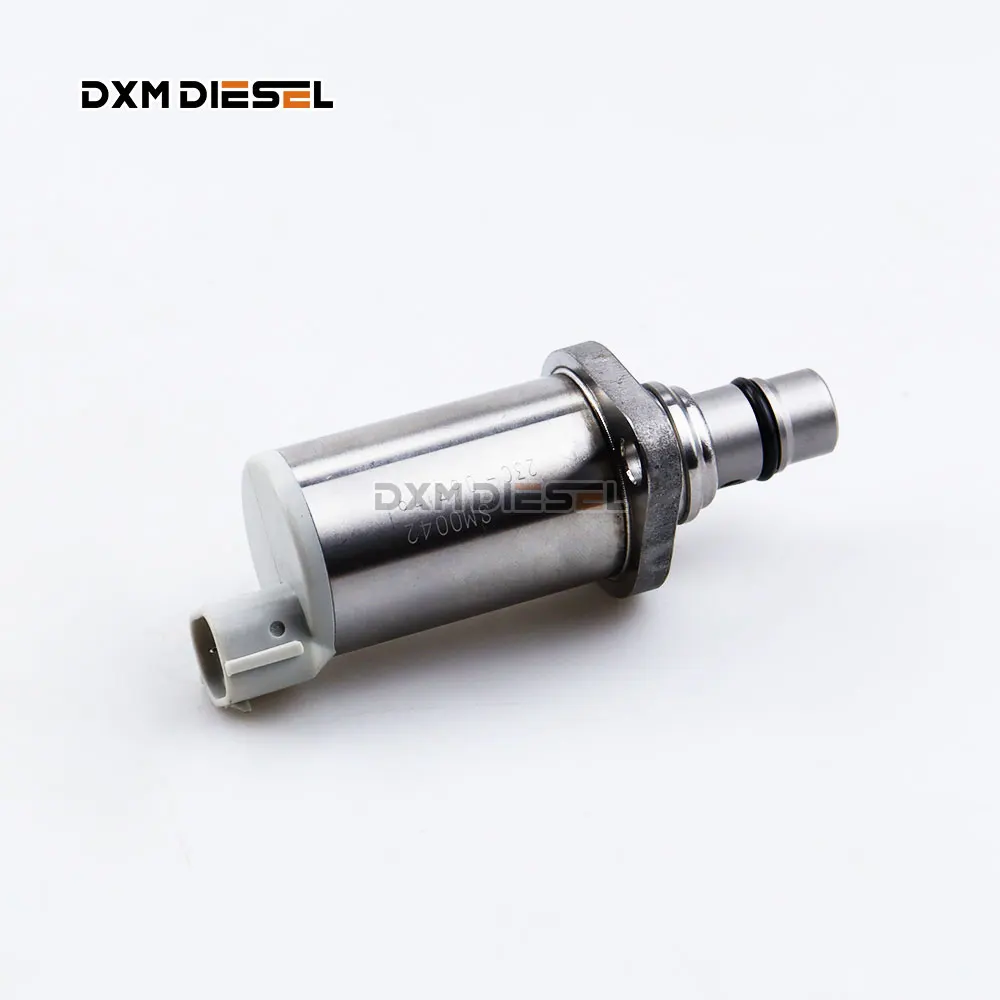
One of the most prevalent issues is leaks. Such leaks can occur when the valve is not bolted tightly to the gas tank or is damaged. If you see a leak — please, please, please — shut your car off immediately. You would then need to change the valve to solve the issue. Always take leaks seriously, they can be dangerous!
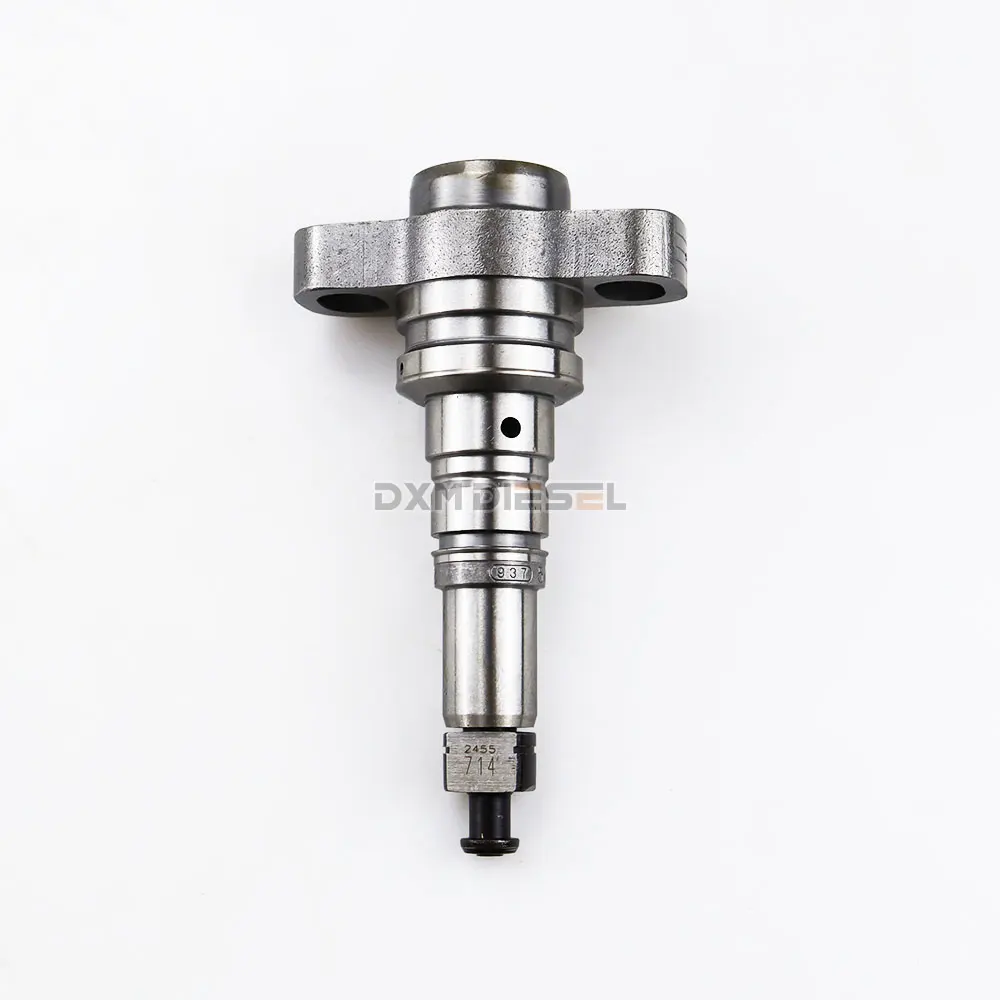
But do keep in mind that fuel petcock valves do need a little love and attention. You need to lubricate the valve often and ensure it is tightly secured to the gas tank. It is also important to select a valve that correctly fits your vehicle. Consider how much you will be using your vehicle before making your decision.
The company adopts standardized production processes and has passed SGS certification to ensure that every production link meets international standards and further improves product quality and consistency.
Since its establishment in 2007, the company has focused on the field of diesel injection systems and has accumulated 13 years of production experience. It can deeply understand customer needs and provide professional technical support and services.
DXM DIESEL is equipped with strict testing equipment to ensure that each product undergoes comprehensive performance testing before leaving the factory to ensure the reliability and durability of the product in actual application.
DXM DIESEL has precision production equipment such as BOSCH and Hardridge to ensure high precision and high efficiency in the product manufacturing process, thereby ensuring the stability and reliability of product quality.

 EN
EN
 AR
AR
 PT
PT
 RU
RU
 ES
ES
 ID
ID
 TH
TH
 MS
MS