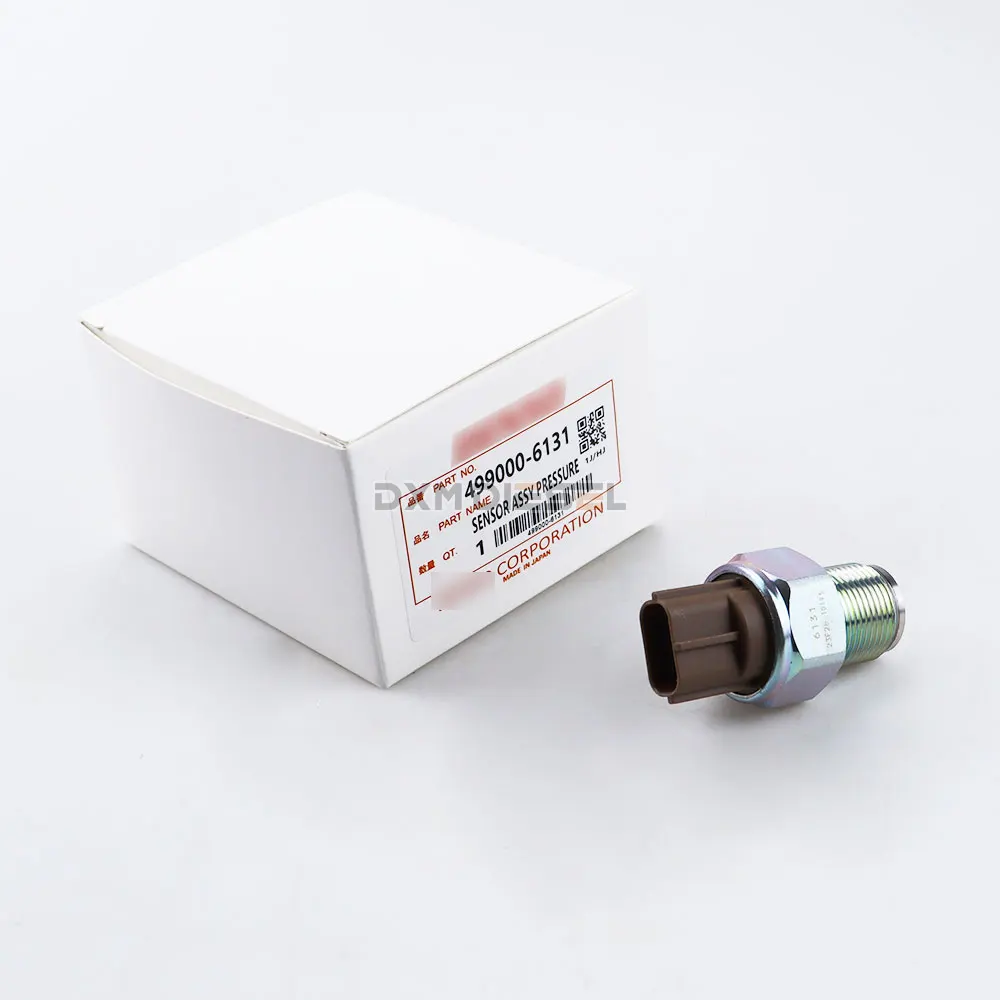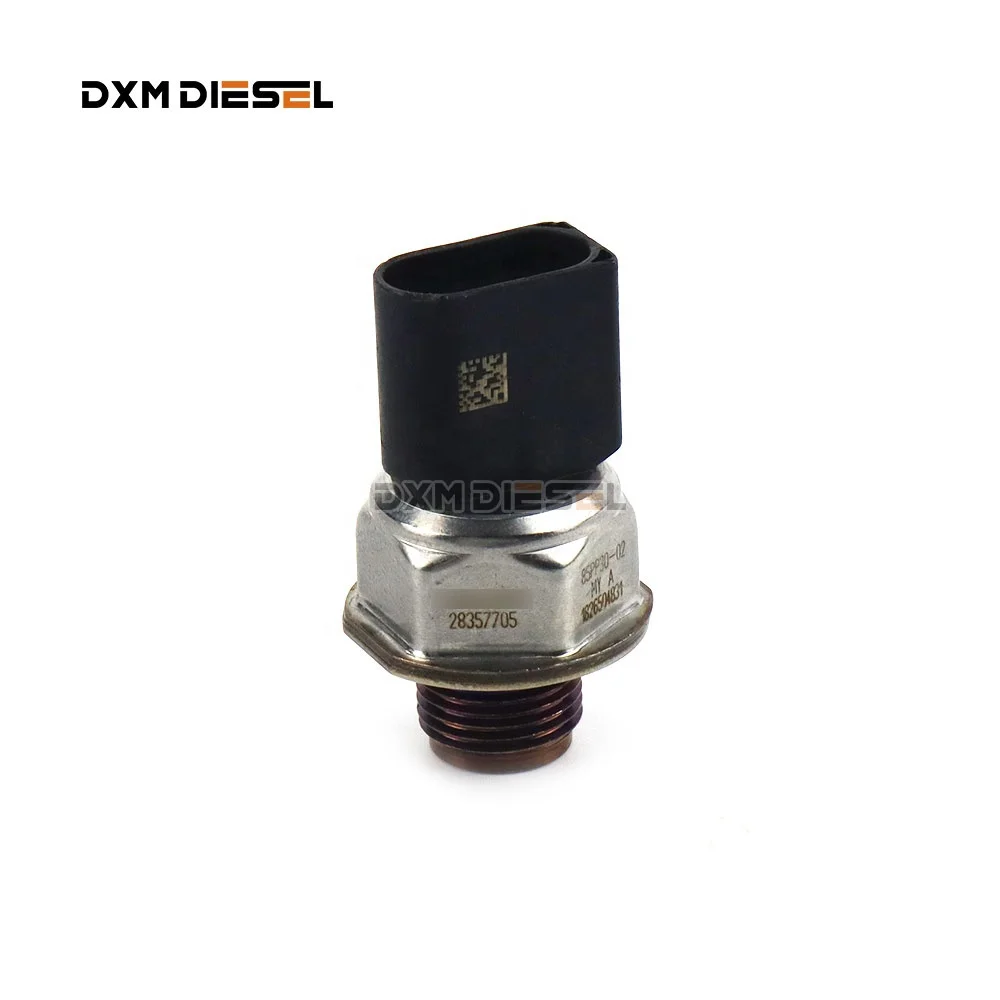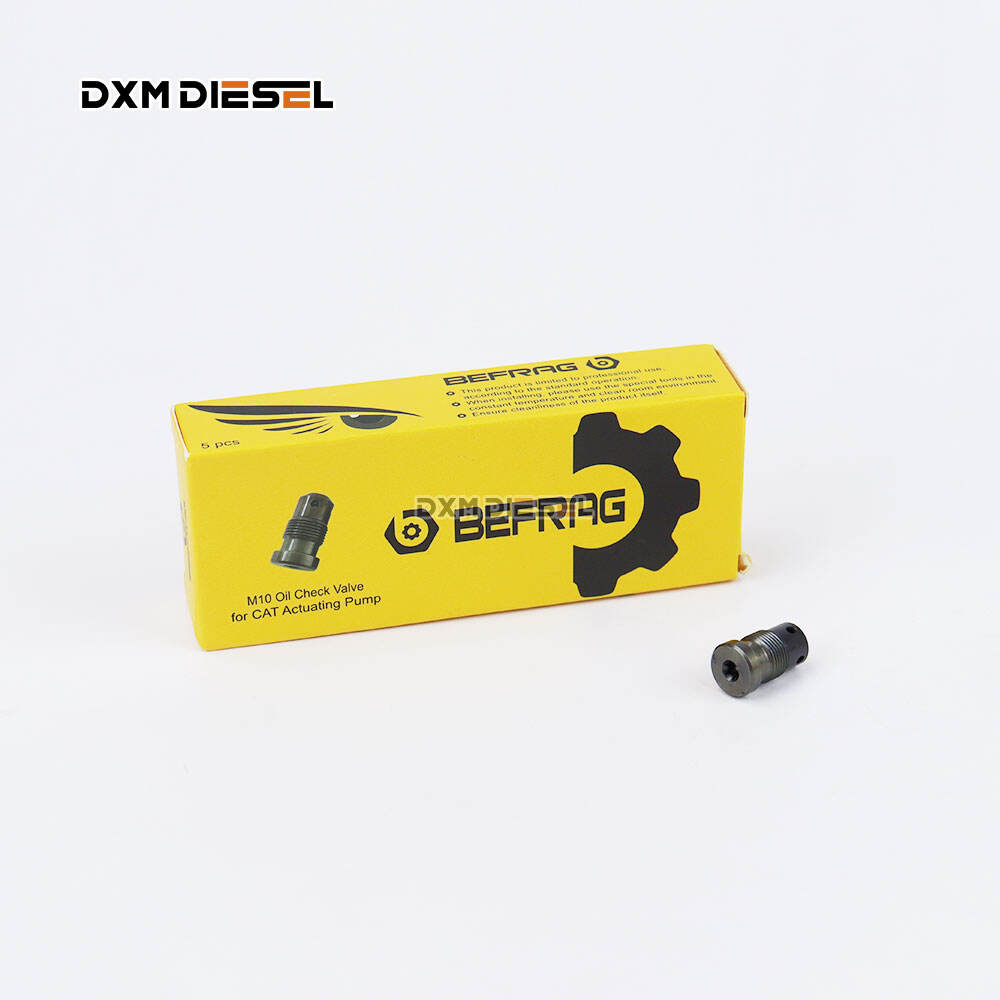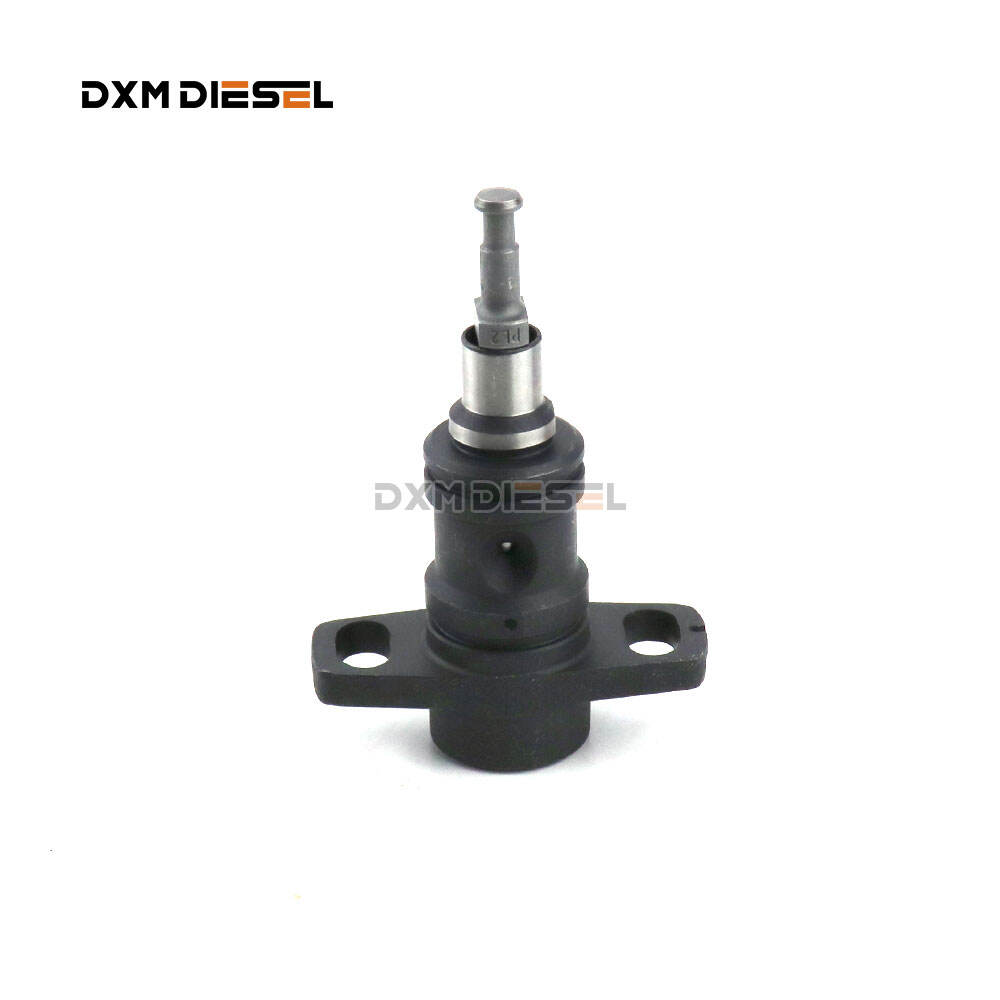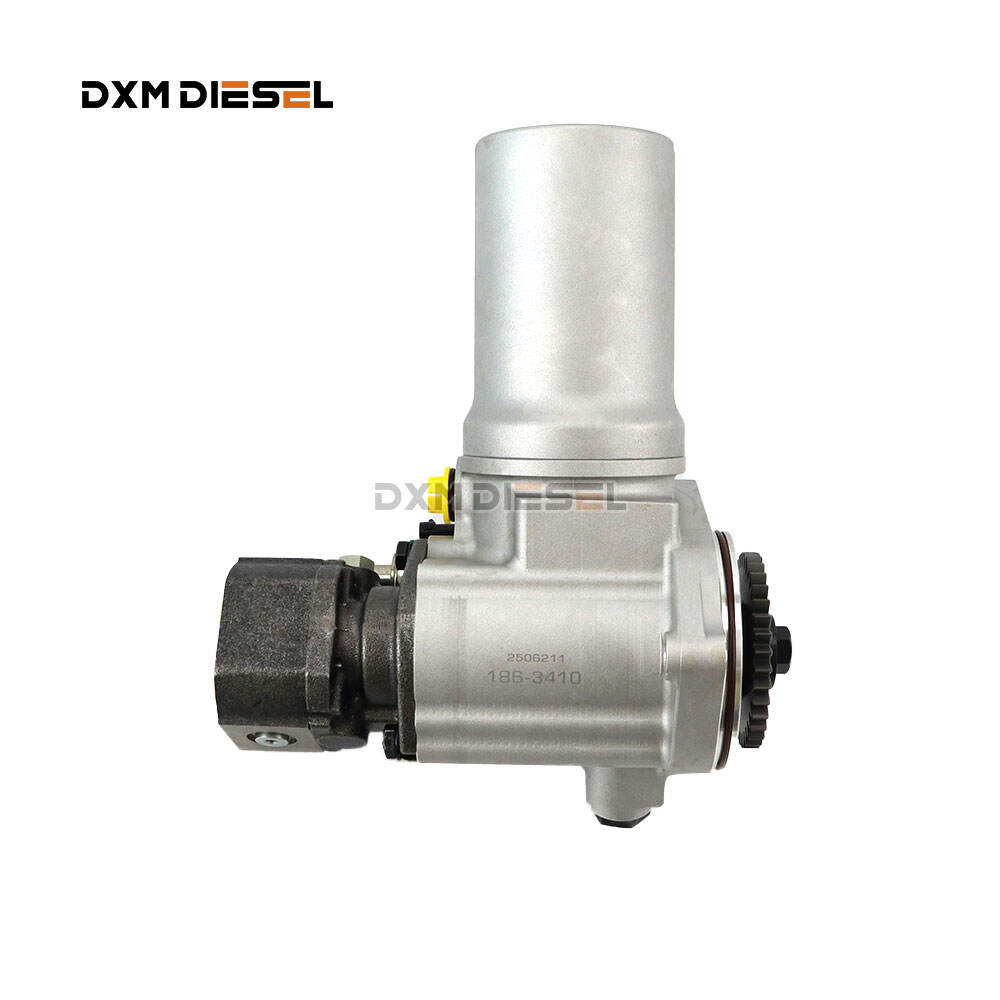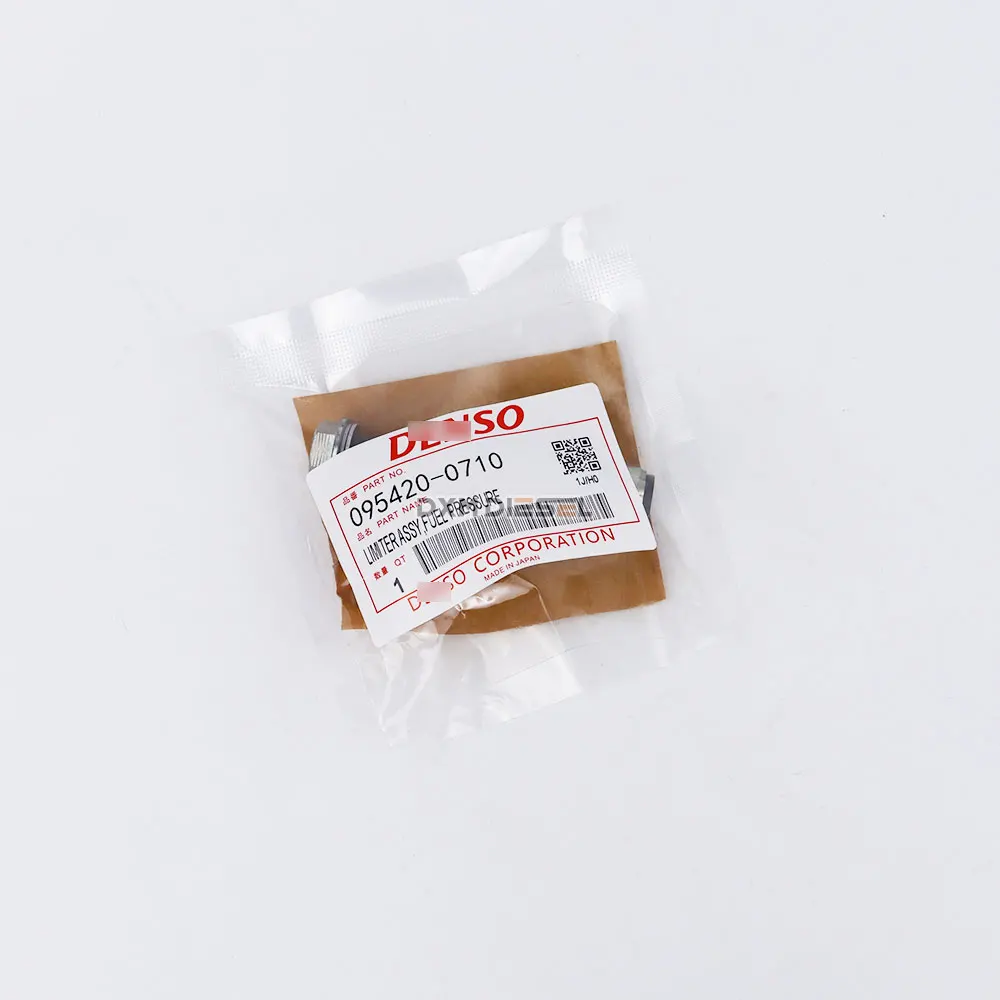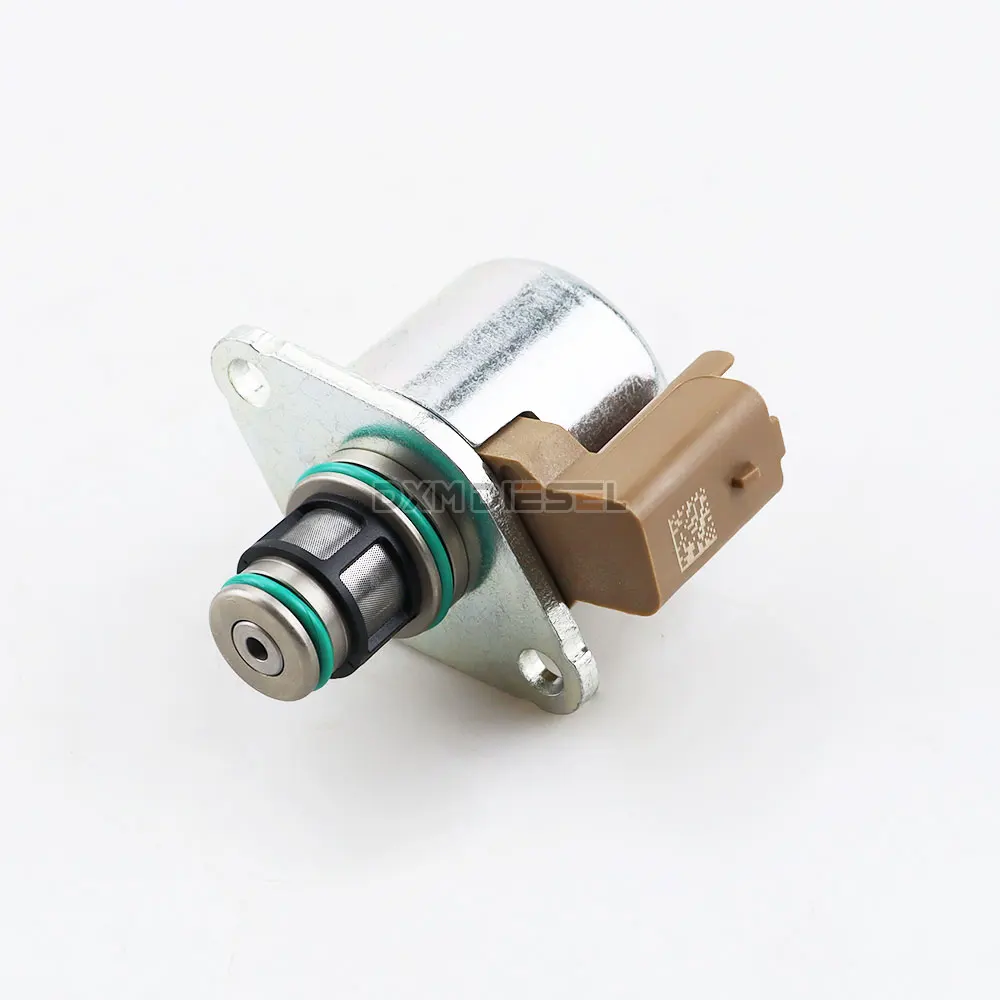


The fuel injection pump is the effective component in a car's engine system. The fuel delivery is managed by the injector; it takes gas from them storage to your engine The car needs this fuel for its engine, because that is where the power comes from which moves the car. Your truck would not run right or perhaps at all without the fuel rail pump.
The fuel rail pump is divided into two parts generally and they are Fuel Pump, and the other part will be called as a Direct injection fuel rail. The fuel pump is a device that gets the gas from your tank to your fuel rail. The fuel pump is like an assistant that the petrol uses to guide itself from one end of its journey to another. It appears like a pipe from which fuel flows, joining the pump with injectors in your engine. It is like a road that bring everything to the very point of use.
At this point, the fuel is taken to the fuel injectors which are responsible for injecting (spraying) them into their respective combustion chambers. It is a closed area in the engine where fuel gets mixed with air. When the fuel is ignited in this chamber, it produces power that makes the car go. All of this is vital in making sure that the car operates smoothly.
If the fuel injection system is starting to go out, you may notice symptoms that alert you of a problem. One major indication is an engine that fails to operate at its utmost. This may occur if the fuel pressure is insufficient. Fuel pressure is the force that pushes fuel from the fuel pump to the engine. When the pressure is inadequate, fuel will not reach your automobile engine in sufficient quantity.
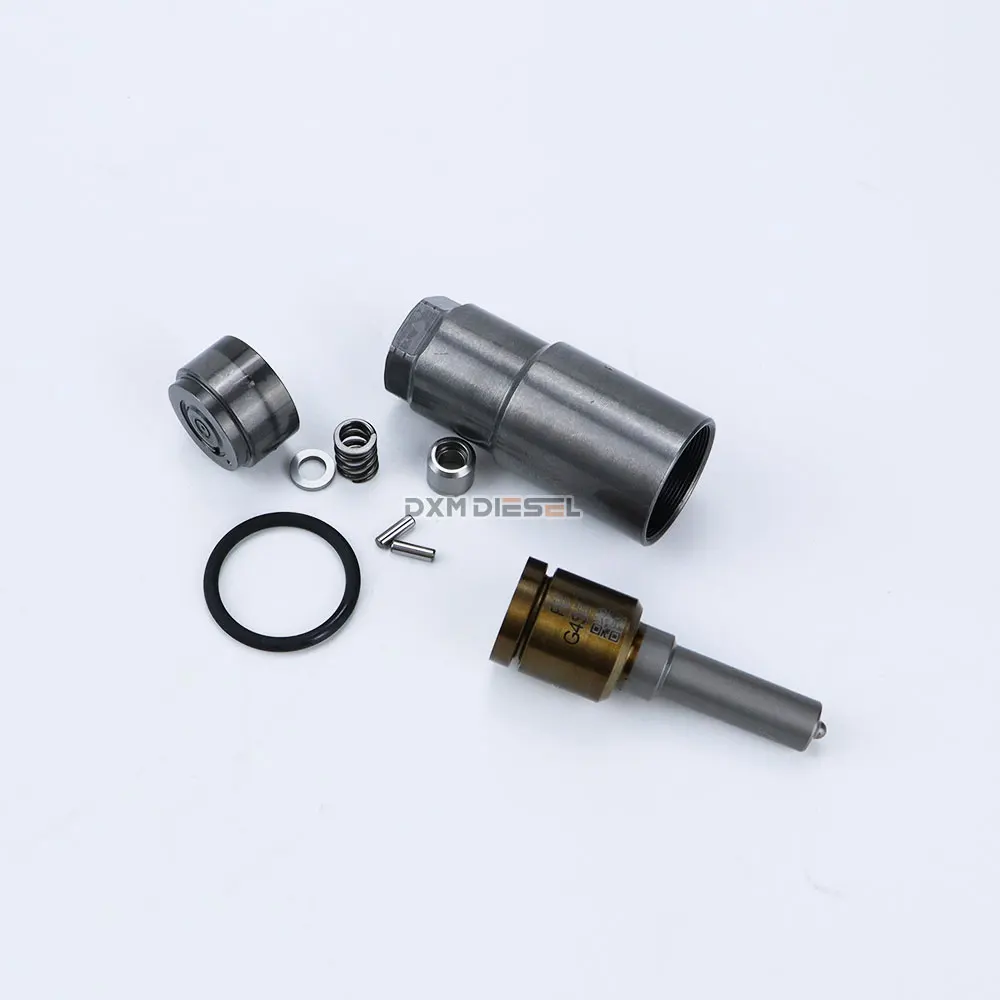
Why is it relevant: Fuel pressure shows how strong the fuel stream will be from the pump to injectors. If the fuel pressure is too low, there will not be sufficient amount of fuel for your engine. If this problem is bad enough, the engine will not start or stall while driving and then perform well.
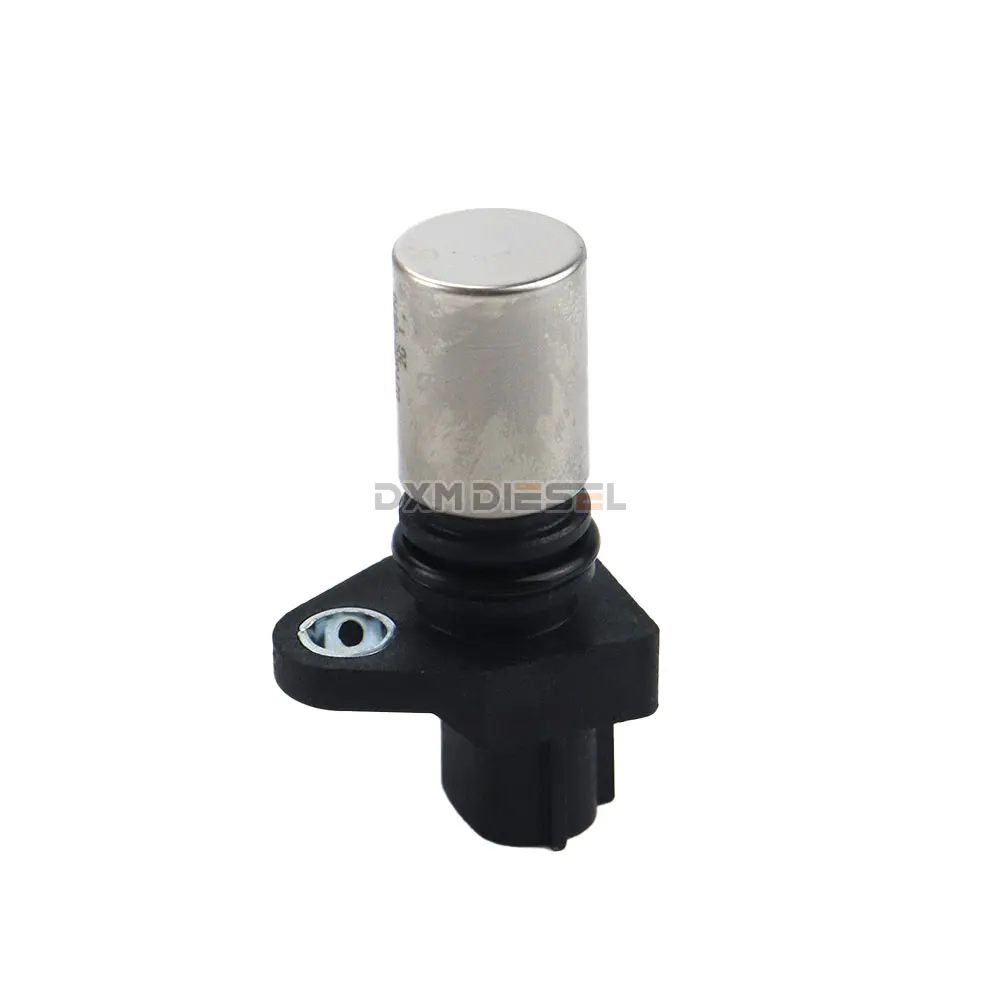
In most cases, a lower-pressure fuel rail pump is required for PFI systems. PFI works because fuel is mixed in the combustion chamber with air via the means of a set of orifices that are located near each cylinder. In comparison, DI systems require a good deal more pressure to simply function and properly combine the fuel.
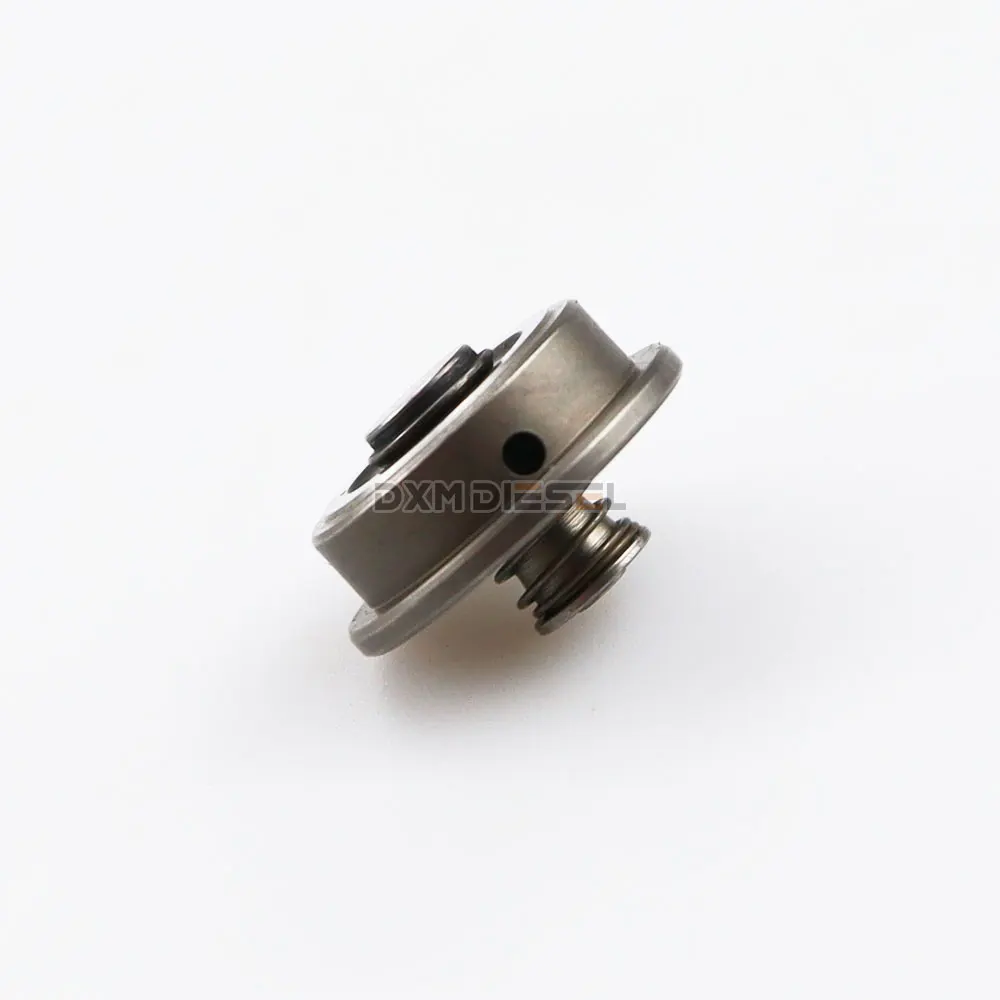
Flow rate is the other thing that you would like to a factor. This is typically expressed in how much fuel the pump can send it out per minute; this value is known as flow rate. Most high-performance engines require more fuel to run right, while just a little extra for V-8 applications is probably not enough.
DXM DIESEL has precision production equipment such as BOSCH and Hardridge to ensure high precision and high efficiency in the product manufacturing process, thereby ensuring the stability and reliability of product quality.
The company adopts standardized production processes and has passed SGS certification to ensure that every production link meets international standards and further improves product quality and consistency.
Since its establishment in 2007, the company has focused on the field of diesel injection systems and has accumulated 13 years of production experience. It can deeply understand customer needs and provide professional technical support and services.
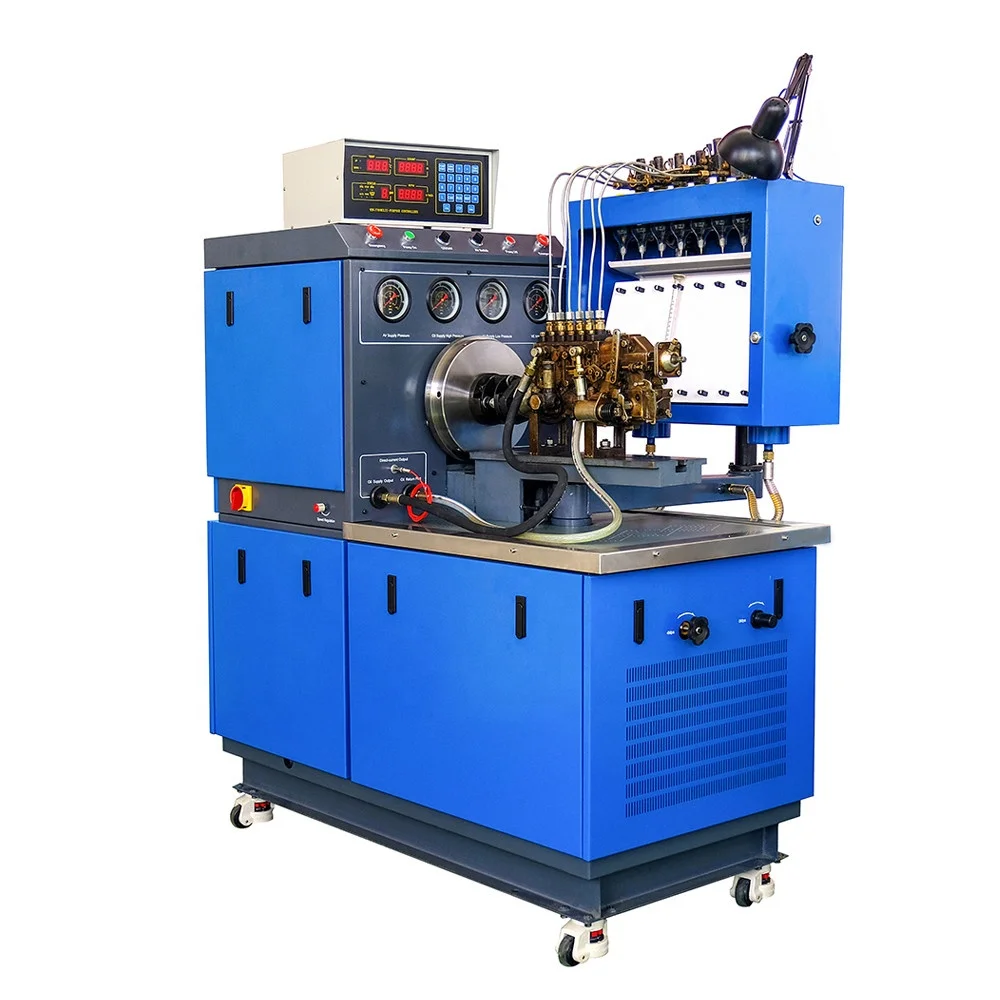
DXM DIESEL is equipped with strict testing equipment to ensure that each product undergoes comprehensive performance testing before leaving the factory to ensure the reliability and durability of the product in actual application.

 EN
EN
 AR
AR
 PT
PT
 RU
RU
 ES
ES
 ID
ID
 TH
TH
 MS
MS