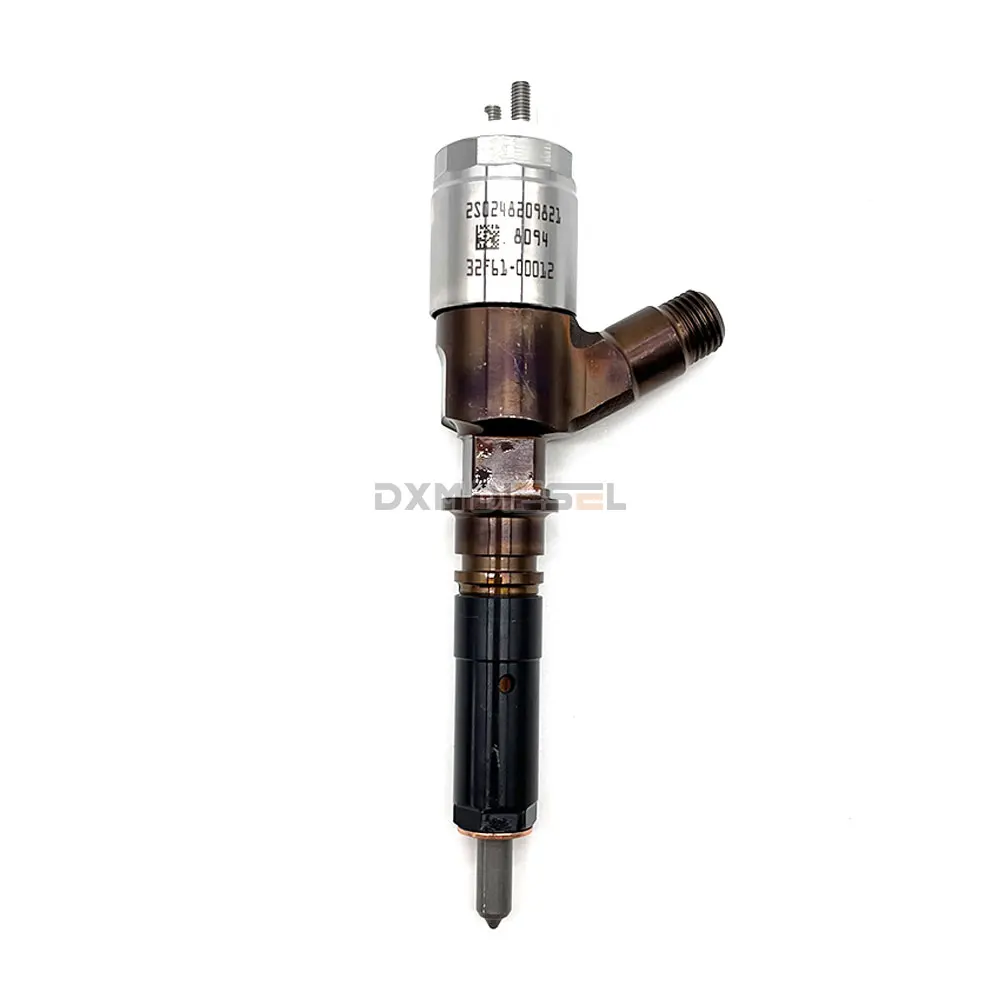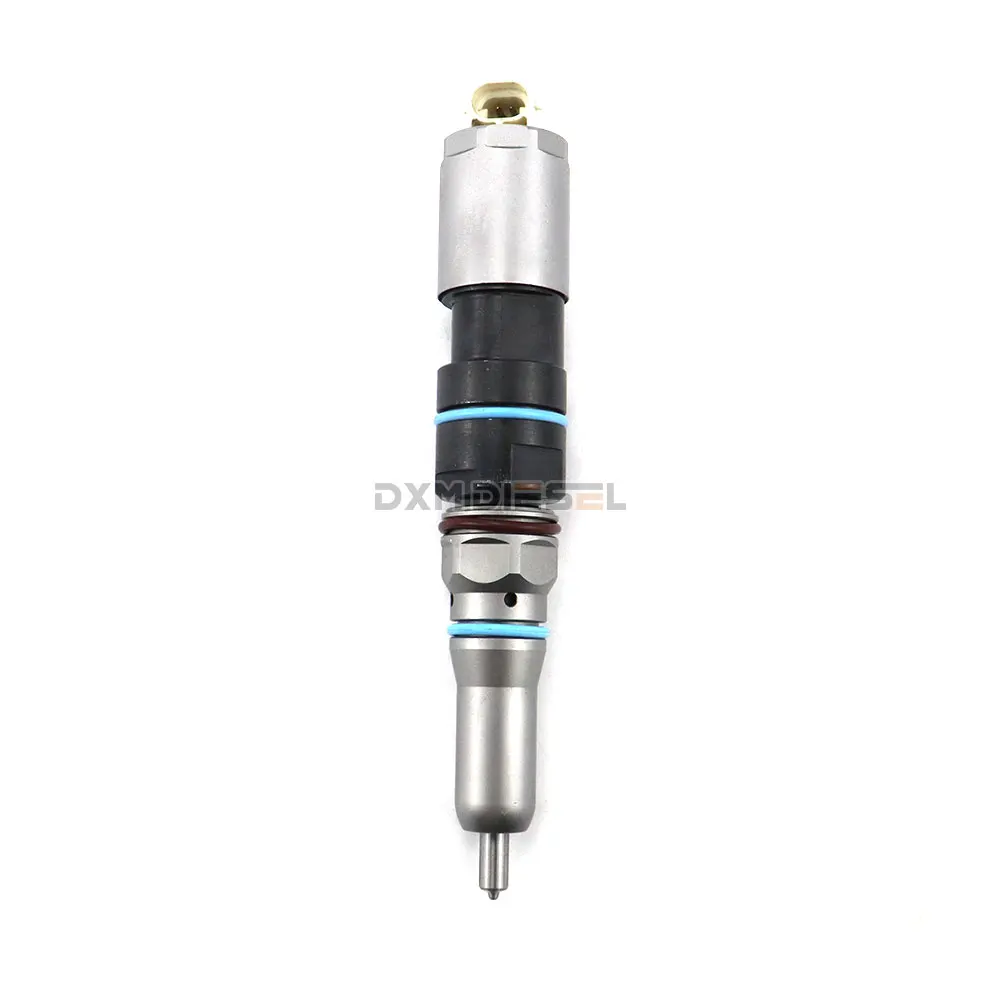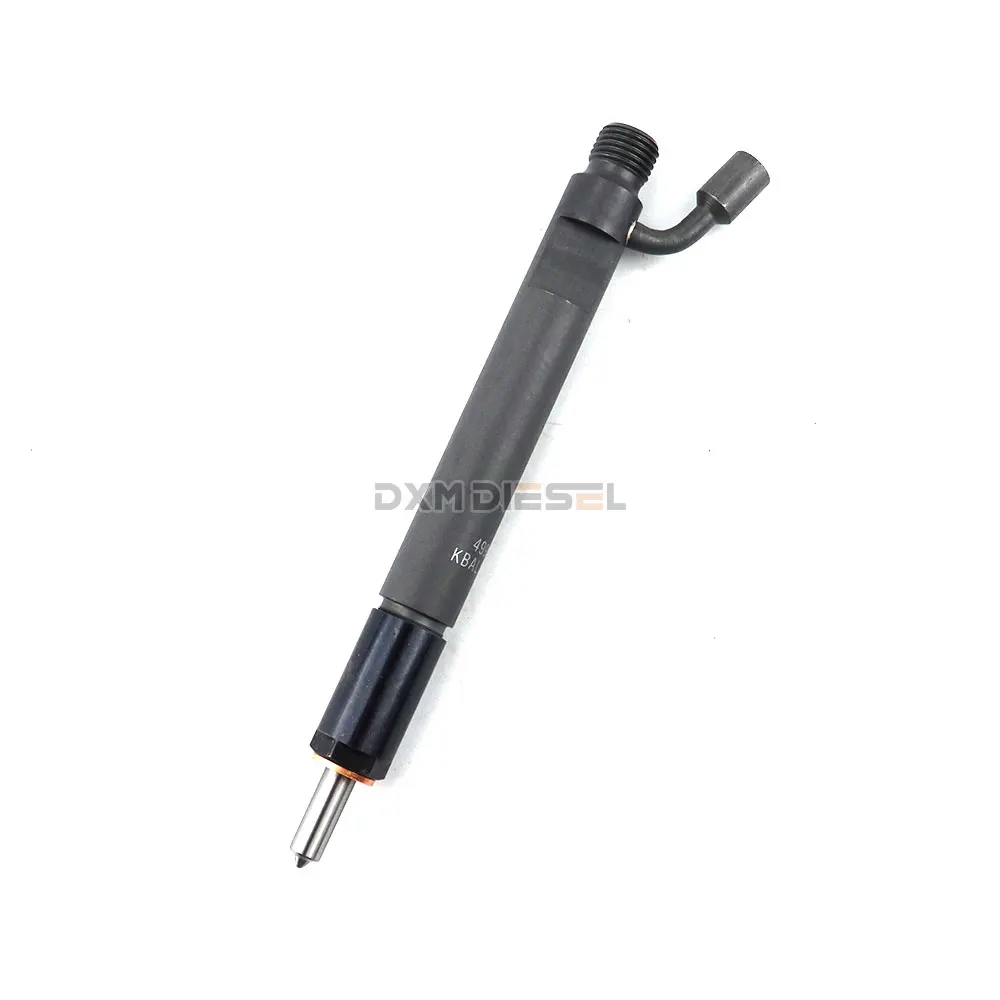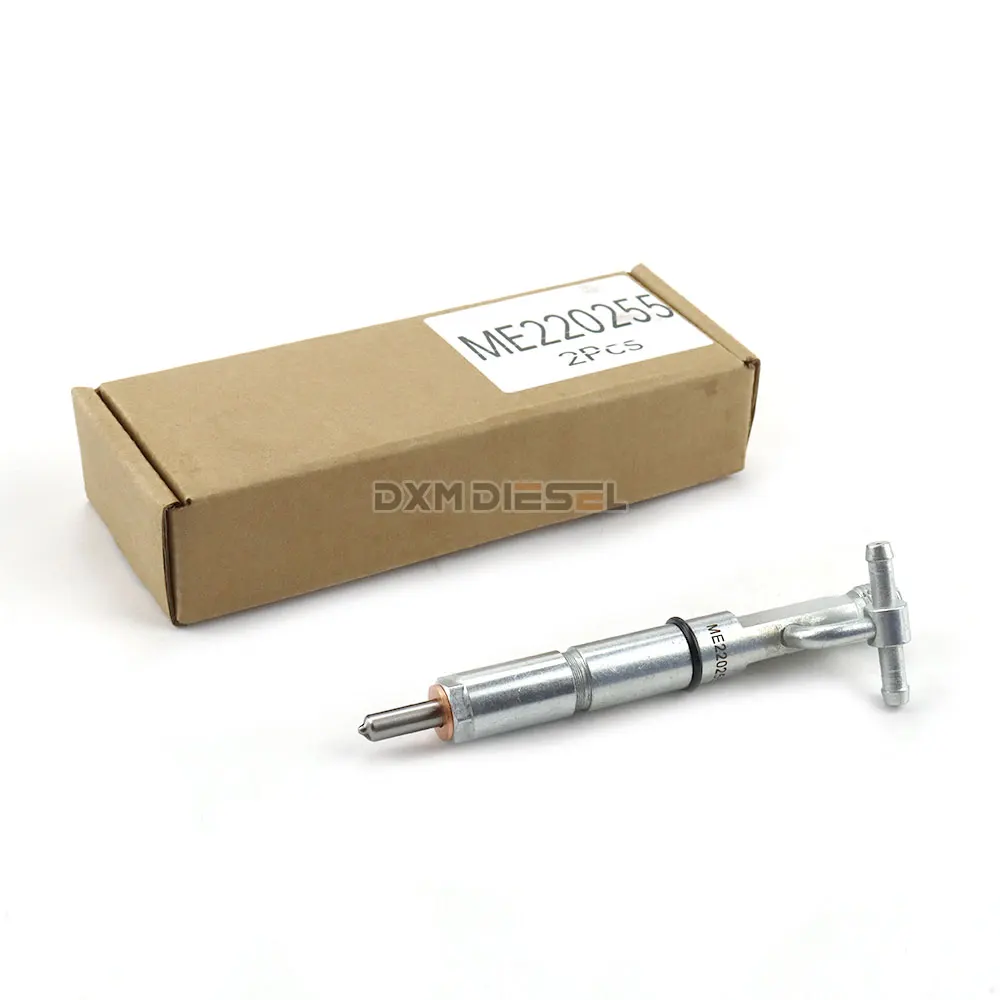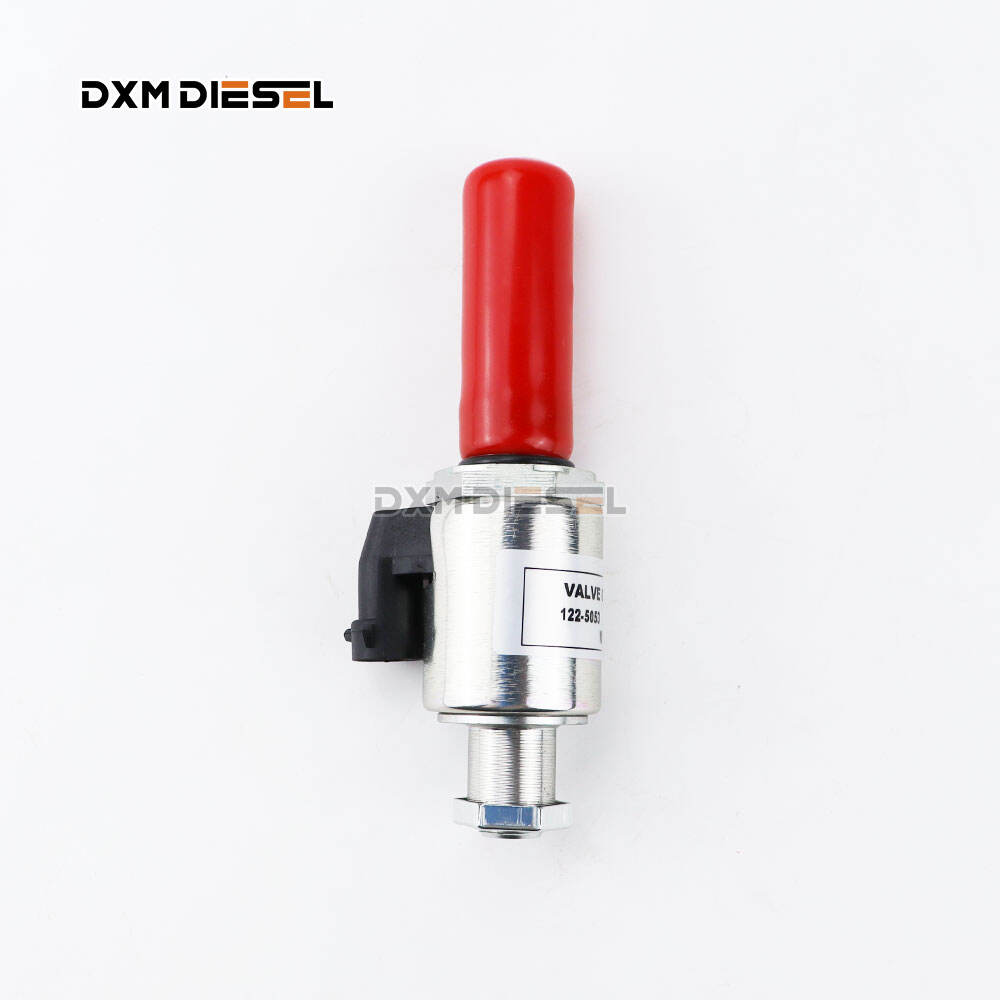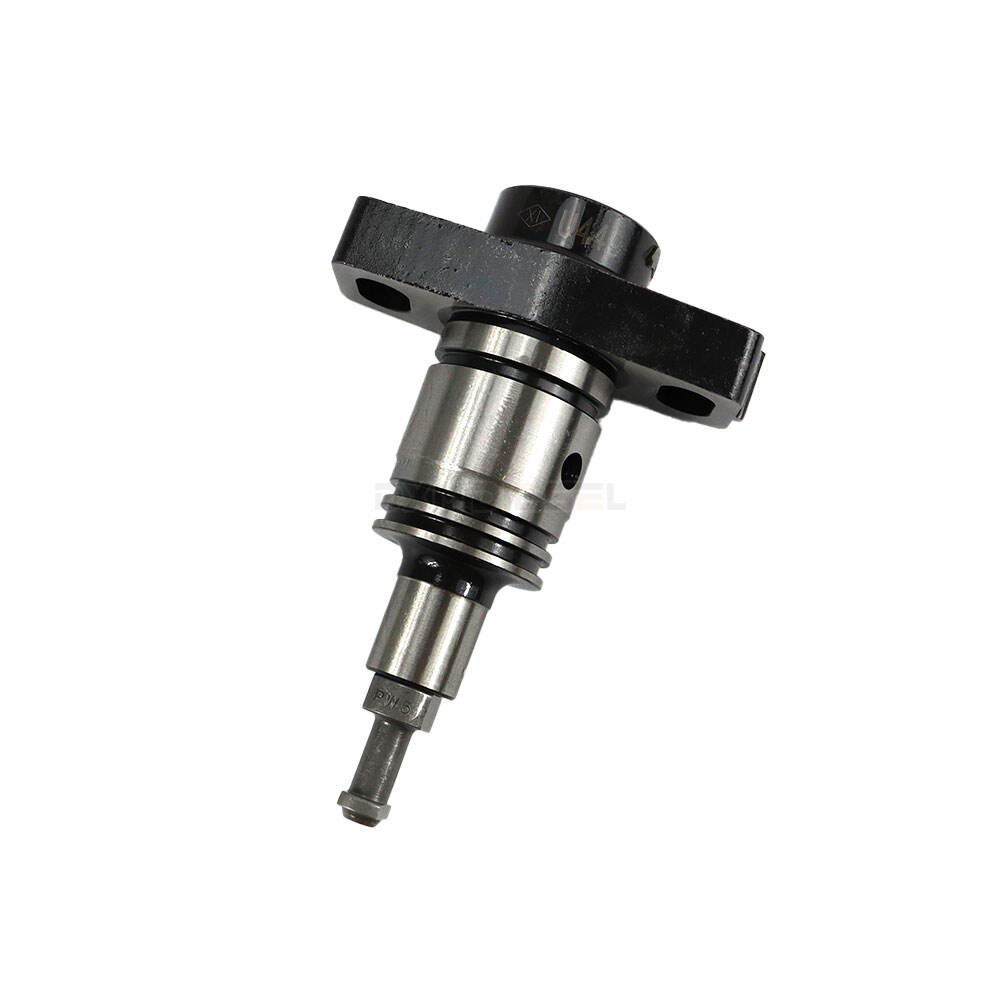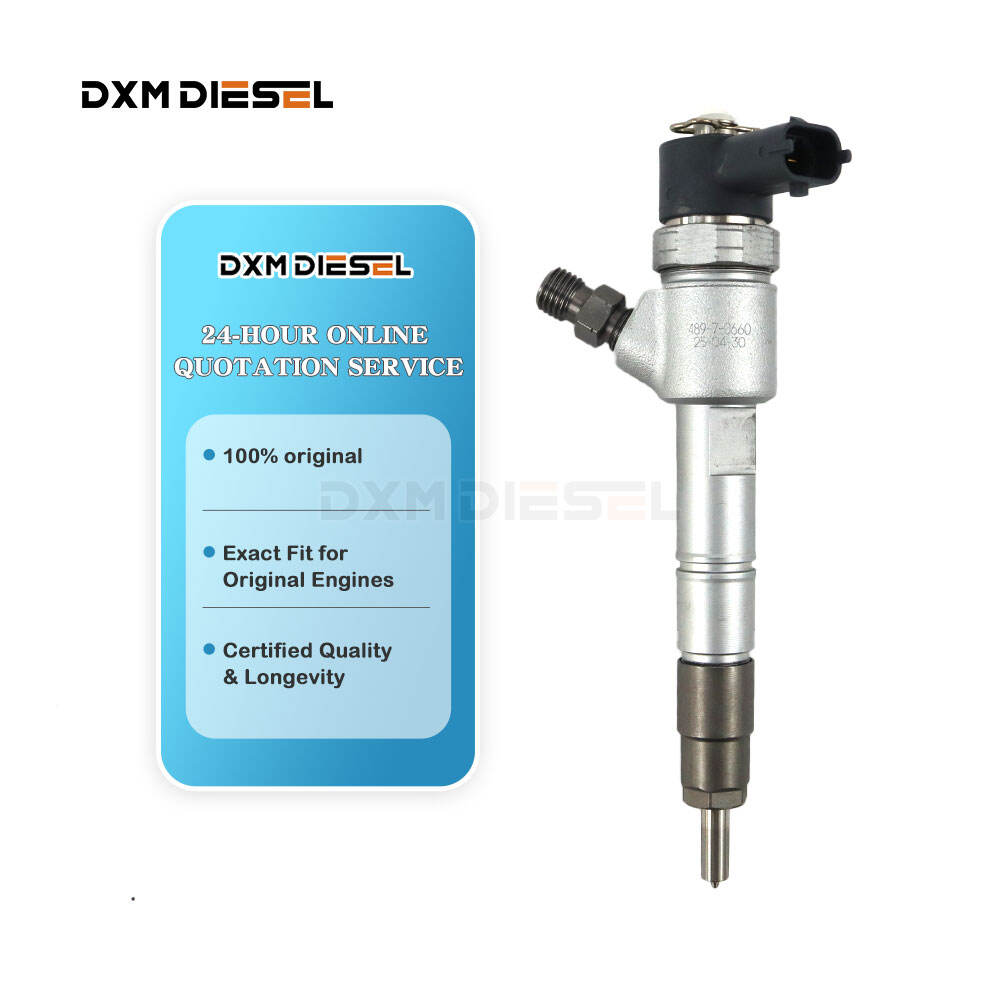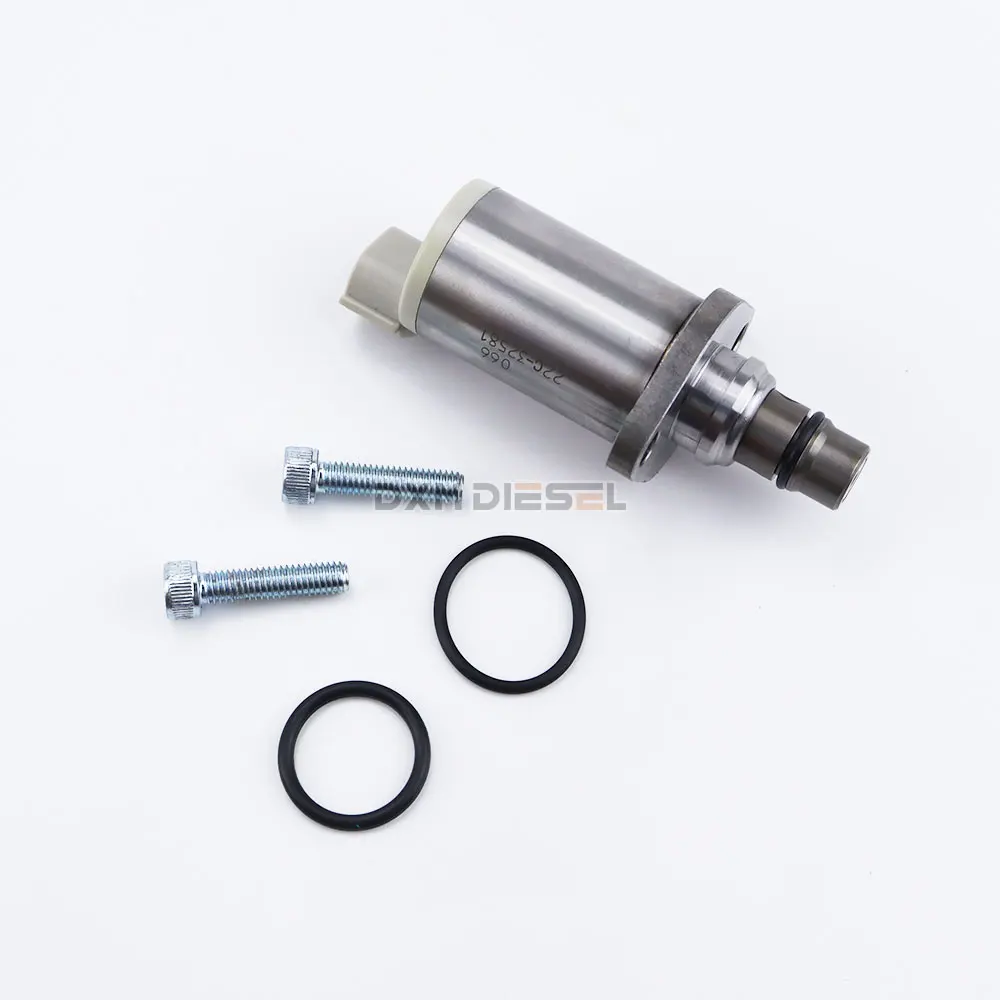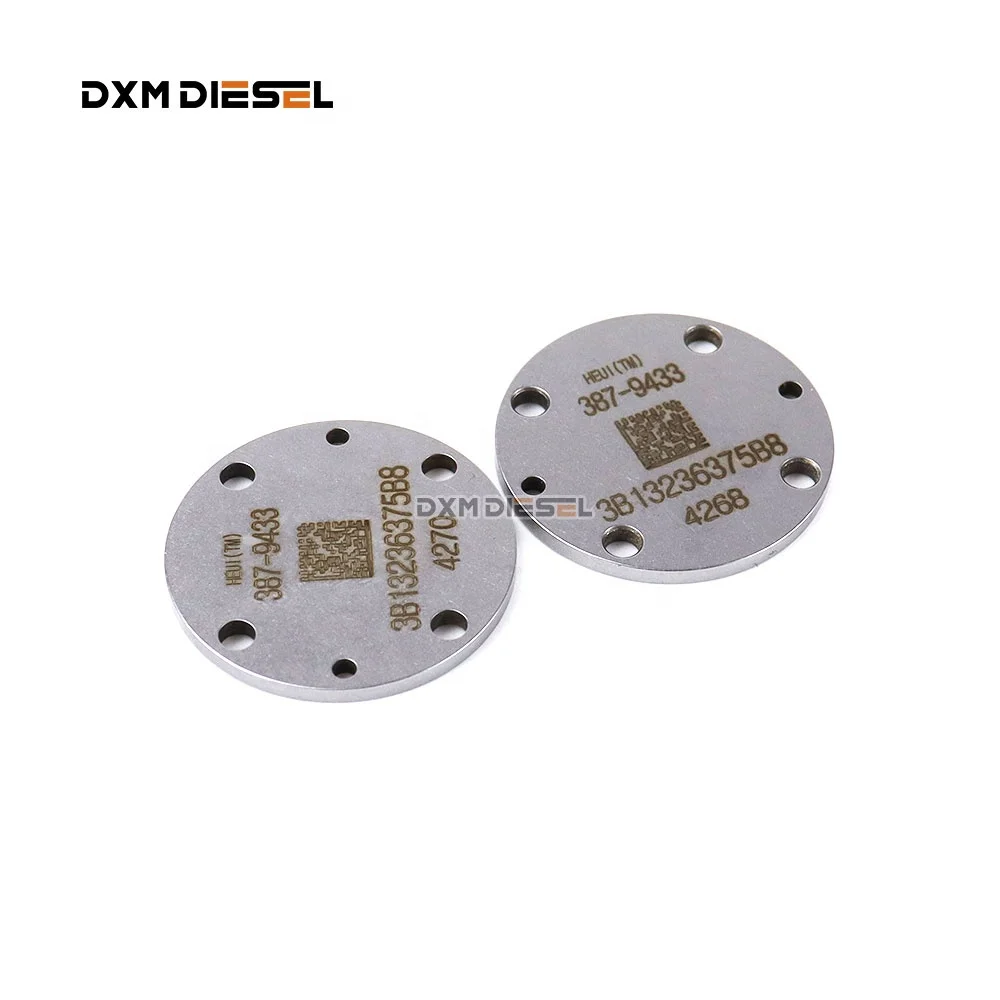


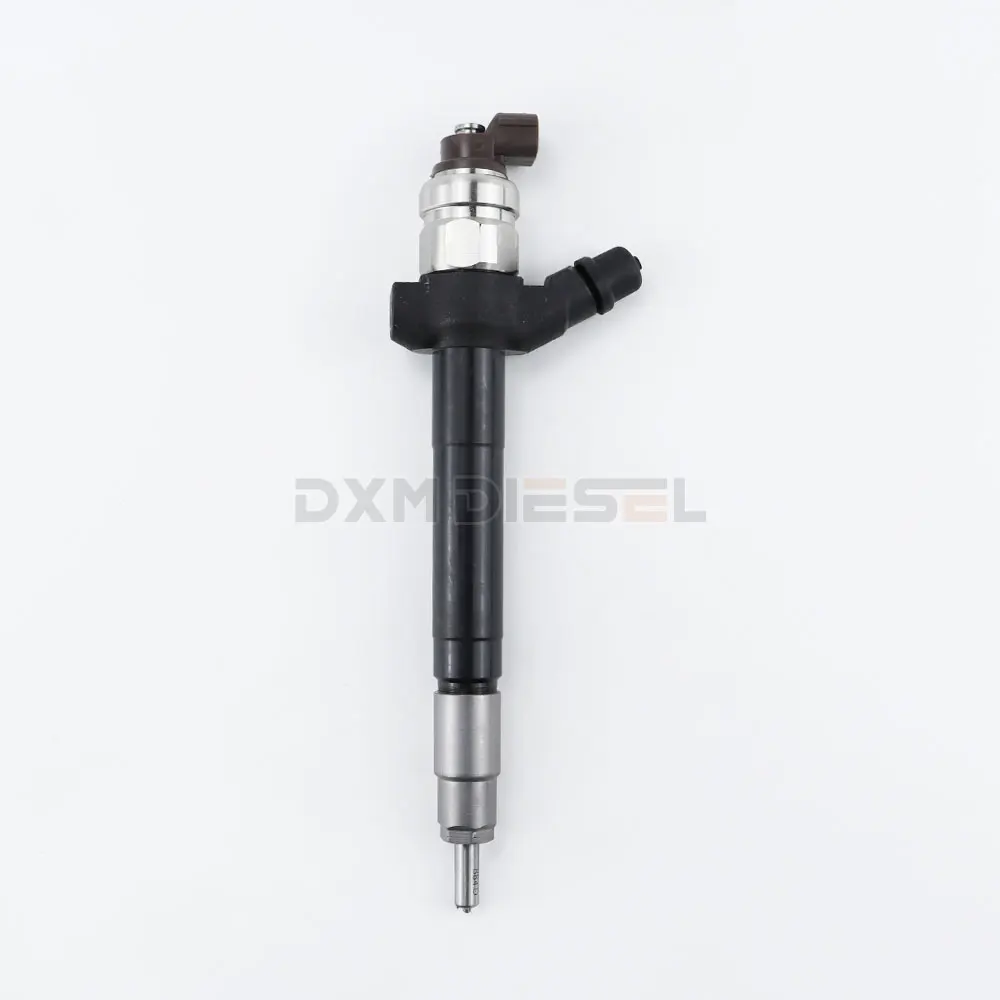
Ever wondered how your vehicle’s engine functions? It’s pretty amazing! The fuel injector, for example, is one very important part of the engine. The fuel injector is one factor that assists with sending fuel to the engine for a harmonising drive. So, let’s take a closer look at what a fuel injector is, the different components that make one up, and how it helps keep your car running smoothly!
A fuel injector is composed of multiple components that must work together in order to ensure that fuel is delivered to the engine accurately. The nozzle is one of the major components. It does this by slowly rotating around the nozzle, which is a small hole where fuel flows into the engine. It is specifically designed to spray a fine mist of fuel. That mist is significant since it combines effortlessly with the air inside of the engine, which is highly important for combustion, the reaction which enables the engine to generate power.
The spring and valve, together with the nozzle and injector body. This part is vital as well, though! That spring controls the valve and holds it closed until the fuel pressure is high enough to push it open. Just think of the spring as a helper that holds things in place. As the fuel pressure builds up, the spring compresses and allows the valve to open, allowing fuel to pass through the nozzle into the engine.
Now let’s take a closer look at the different components of a fuel injector. Injector body Nozzles can be made as a single piece, but effectively they are encapsulated in two pieces of body (above the nozzles are called upper body and below the nozzle units are called lower body) Through the nozzle, the fuel flows and is injected into the engine. You are interested in the spring and valve in the bottom half. These elements combine to control how much fuel flows. Finally, the upper body, where fuel enters the injector as it prepares to be sent to the engine.
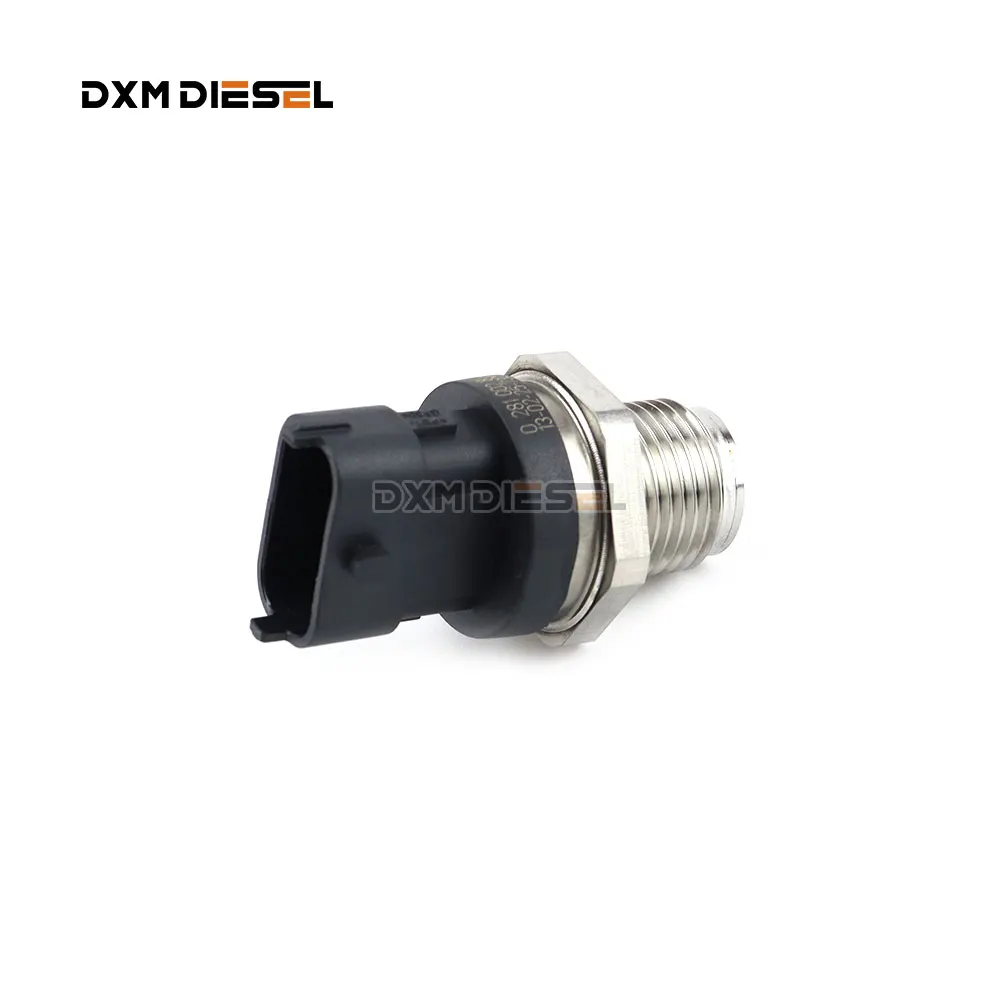
On to the valve and spring and so on. A valve consists of two components: a needle and a seat. The needle controls the volume of fuel that can pass through. It is opened and closed to block the flow. The seat is the part that seals the valve shut when it is closed so that no fuel leaks out. When the fuel pressure is low, the spring pushes on the needle, preventing the valve from opening. This is really important because if the valve isn’t properly sealed, it can create headaches for the engine.
These parts are very vital for the proper functioning of an engine. The engine can overheat due to a fuel injector failure, and it can even stall, which is when it stops running suddenly. This can affect the car's performance and lead to costly repairs.
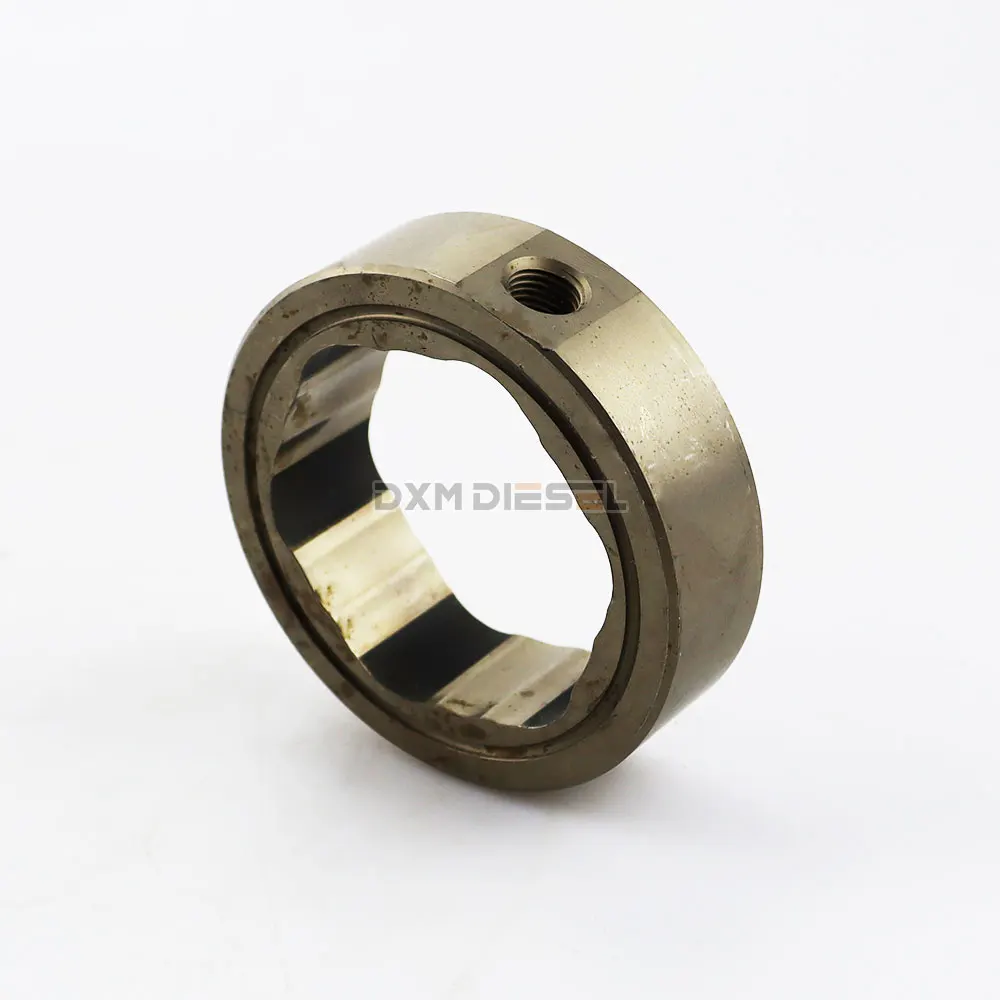
The spring and valve are interesting to look at as well The spring is created with a lightweight material that can withstand high temperature and pressure. It has to be really strong because it is constantly working to keep the valve shut when it’s not needed. The valve, including the needle and seat, must be positioned just so. Perfect alignment is crucial to ensure that the valve opens and closes properly. The spring and valve act to limit the amount of fuel that can be delivered to the engine, so they must work in conjunction with the rest of the fuel system to regulate flow.
DXM DIESEL has precision production equipment such as BOSCH and Hardridge to ensure high precision and high efficiency in the product manufacturing process, thereby ensuring the stability and reliability of product quality.
Since its establishment in 2007, the company has focused on the field of diesel injection systems and has accumulated 13 years of production experience. It can deeply understand customer needs and provide professional technical support and services.
DXM DIESEL is equipped with strict testing equipment to ensure that each product undergoes comprehensive performance testing before leaving the factory to ensure the reliability and durability of the product in actual application.
The company adopts standardized production processes and has passed SGS certification to ensure that every production link meets international standards and further improves product quality and consistency.

 EN
EN
 AR
AR
 PT
PT
 RU
RU
 ES
ES
 ID
ID
 TH
TH
 MS
MS